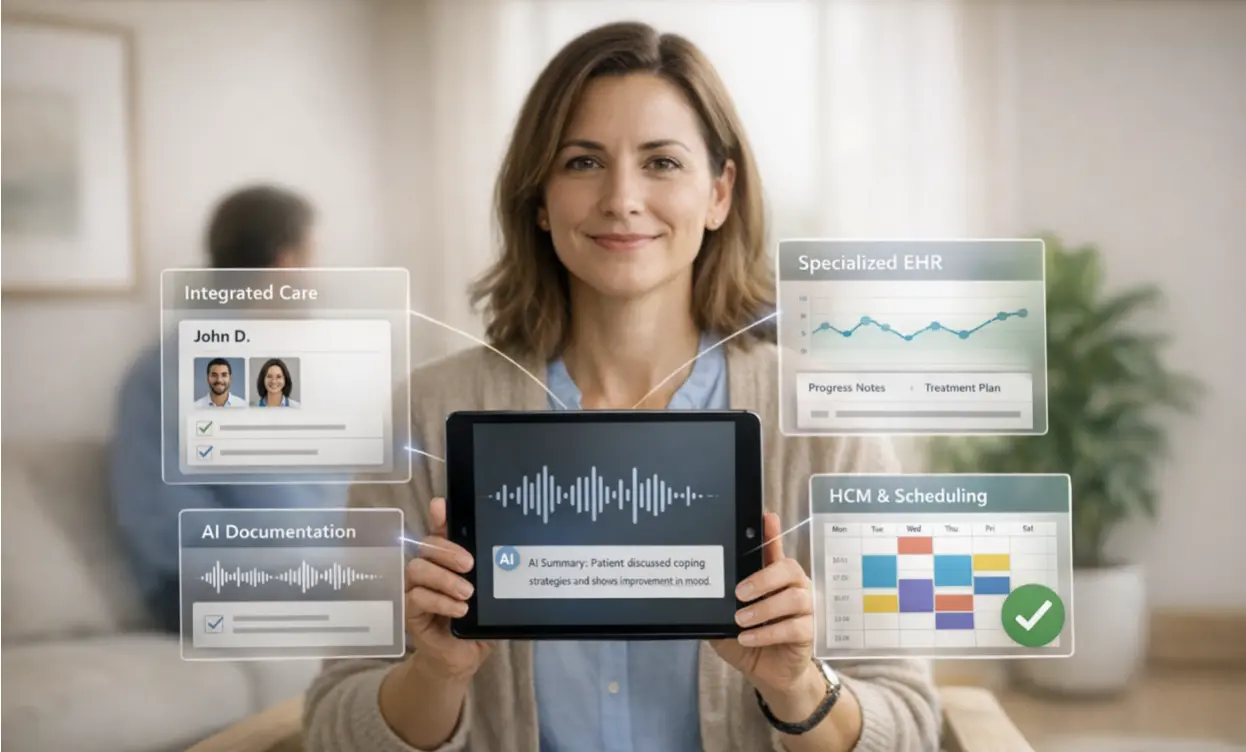
Addiction treatment in 2025 is changing rapidly. Updated regulations like the alignment of 42 CFR Part 2 with HIPAA aim to improve care coordination while protecting patient privacy. New federal rules, such as SAMHSA‘s updates to Opioid Treatment Programs (OTPs), are reducing barriers to access, including eliminating the 1-year addiction history requirement and allowing take-home doses sooner. However, providers face challenges like compliance costs, staff training, and adapting to stricter privacy standards.
Key takeaways:
- Regulatory Updates: Streamlined care coordination under HIPAA and expanded telehealth options.
- Challenges: Compliance deadlines, staff training, and maintaining patient care during changes.
- Solutions: Leveraging EHR systems, telehealth platforms, and integrated software to simplify operations and improve outcomes.
Providers must act now to meet compliance deadlines, adopt technology, and maintain high-quality care amidst these changes.
42CFR: The Confidentiality of Substance Use Disorder Records
Current Regulatory Changes in Addiction Treatment
The addiction treatment landscape is undergoing shifts in 2025, with updates at both federal and state levels redefining provider practices. These changes aim to address barriers, improve access, and offer more tailored approaches to care.
Federal Rules and Updates
SAMHSA’s 42 CFR Part 8 Final Rule has introduced updates to OTP (Opioid Treatment Program) regulations, removing obstacles and offering more flexible care options.
Here’s a breakdown of key changes:
| Area | Requirement | Outcome |
|---|---|---|
| Admission Criteria | 1-year opioid addiction history requirement eliminated | Faster access to treatment |
| Take-Home Doses | Allowed from the first week with proper safeguards | Greater flexibility in care |
| Telehealth Services | Permits audio-only or audio-visual screenings for buprenorphine initiation | Broader access options |
| Treatment Duration | Interim treatment extended from 120 to 180 days | Improved continuity of care |
SAMHSA highlights the purpose of these changes as follows:
“Recognizes the need to meet patients where they are with their opioid and other substance use disorders, and help patients make positive change, reducing harm along the way.”
State-by-State Rules
State regulations still vary widely, requiring multi-state providers to navigate differences in areas like:
- Medicaid reimbursement policies
- Telehealth service delivery rules
- Staff certification standards
- Facility licensing requirements
To assist with compliance, SAMHSA offers a state-specific search tool for Medicaid and CHIP programs, which can help providers stay informed about local requirements.
Additionally, federal acts like the NOPAIN Act are influencing treatment methods across states.
NOPAIN Act Effects
The Non-Opioids Prevent Addiction in the Nation (NOPAIN) Act is reshaping pain management approaches. This legislation addresses the opioid crisis – which cost the U.S. nearly $1.5 trillion in 2020, a 37% rise from 2017 – by focusing on non-opioid alternatives. Key elements of the Act include:
- Separate Medicare reimbursement for FDA-approved non-opioid therapies
- Expanding access to non-opioid pain management options
- Provider education on non-opioid treatments
- Mandatory reporting to Congress on Medicare coverage gaps
These measures are critical as opioids were involved in three out of every four drug-related overdose deaths in 2022.
Main Challenges for Treatment Providers
Providers are navigating a complex mix of new compliance rules, staff training demands, and the need to maintain consistent patient care. Keeping operations running smoothly while meeting regulatory expectations requires careful planning and execution.
Meeting Compliance Requirements
Recent updates to 42 CFR Part 2 have introduced more stringent compliance standards. These changes, now aligned with HIPAA, bring stricter enforcement measures. Providers must update their privacy policies and operational workflows to ensure they comply while continuing to facilitate effective patient care.
Here are some of the key compliance areas providers need to address:
| Area | Requirement | Deadline |
|---|---|---|
| Privacy Rule Alignment | Integration with HIPAA standards | April 16, 2026 |
| Telehealth Registration | $888 fee for a 3-year special registration | Ongoing |
| State Requirements | $50 fee per state for clinician registration | Varies by state |
| Documentation | Enhanced protocols for SUD counseling notes | – |
Staying on top of these requirements helps ensure patient care remains coordinated and uninterrupted.
Staff Training Requirements
With updated documentation practices and new DEA requirements, staff training has become a critical need. Teams must be proficient in privacy rule updates, patient consent management, telehealth prescribing protocols, and the detailed requirements for SUD counseling documentation under federal and state regulations.
“We’re going to have the same enforcement authorization that we do under HIPAA for civil and criminal penalties… You will have Part 2 providers now that could see penalties that they never would have seen under Part 2 before. When a law has more teeth, you’re going to have more compliance.”
– Jéna Grady, Partner with the law firm Nixon Peabody‘s health care group
Proper training not only ensures compliance but also supports the overall quality of patient care.
Patient Care During Changes
As providers work to meet these new regulatory demands, maintaining uninterrupted care for patients is a top priority. Gradual system updates, clear communication with patients, and reliable documentation practices can help minimize disruptions. Combining physical and behavioral health data can also create a more integrated and effective approach to care during this period of change.
sbb-itb-0bf5472
Technology Solutions for Treatment Centers
Technology is reshaping addiction treatment by simplifying compliance processes and improving patient care. As regulatory requirements grow, specialized software ensures treatment centers can operate efficiently while focusing on better patient outcomes. These tools are transforming how care is delivered, making operations smoother and more effective.
EHR Systems for Addiction Treatment
Electronic Health Record (EHR) systems play a key role in documentation, treatment planning, and meeting compliance standards. According to recent data, 60% of behavioral health leaders say their EHR systems positively impact operations.
Here are some of the main features and their benefits:
| Feature | Benefit | Impact |
|---|---|---|
| Mobile Documentation | Secure record-keeping without WiFi | Boosts staff efficiency |
| Clinical Workflows | Customizable treatment templates | Ensures consistent care |
| Revenue Cycle Management | Automated billing and claims | Improves financial processes |
| Built-in Regulatory Tools | Integrated compliance safeguards | Lowers risk of non-compliance |
“The navigation is very user-friendly, especially for direct care staff to document everything they need to document. There are a lot of simple, well-designed features that make the user experience better.” – Administrator in Mental Health Care
While EHRs are crucial, new technologies are also driving patient engagement to new levels.
New Treatment Technologies
Behavioral health organizations are increasingly adopting tech-enabled services. These include:
- Telehealth platforms for remote treatment sessions and secure communication
- Data analytics tools to track outcomes and highlight areas for improvement
- Patient portals allowing secure access to health information, though adoption is currently at 38%
- Mobile apps designed for ongoing patient support and engagement
All-in-One Software Platforms
Integrated software platforms bring everything together, offering:
- Unified workflows that connect clinical, administrative, and patient engagement functions
- Secure data management that complies with HIPAA and SOC standards
- Configurable systems tailored to meet organizational needs
- Real-time data access to support better decision-making
- Analytics tools for actionable insights
“We’re on a mission to achieve yours. And we know that providing a continuum of care requires a continuum of solutions – systems that enhance the employee experience while improving client outcomes.” – ContinuumCloud
Treatment centers using these platforms report reduced administrative burdens and better patient outcomes. With only 45% of organizations currently using digital tools to streamline workflows, there’s still plenty of room for growth in adopting technology to improve care delivery.
Steps to Meet New Requirements
Here’s how to address regulatory changes effectively while improving patient care.
Building Compliance Systems
- Schedule monthly reviews of SAMHSA policies to stay updated on regulations.
- Use standardized intake and consent templates to prepare for audits.
- Provide DEA and privacy-rule training tailored to both clinical and administrative staff.
- Conduct quarterly audits to spot and resolve compliance gaps.
Centers must prioritize patient confidentiality under 42 CFR Part 2 and ensure proper medication protocols are followed. As SAMHSA emphasizes:
“OTPs are required to provide clinically appropriate substance use disorder counseling tailored to each patient’s clinical needs, values and preferences”.
Using Software Tools
- Evaluate vendors using HIPAA and SOC compliance checklists.
- Integrate the selected software with EHR and billing systems within 90 days.
- Train staff on new workflows and track adoption weekly.
For example, treatment centers using ContinuumCloud’s platforms often see smoother workflows, better client engagement, and easier compliance tracking. Research shows 80% of patients completing alcohol rehab remain sober one month post-discharge.
Improving Patient Care Methods
- Create individualized treatment plans with weekly progress reviews, adjusting as needed.
- Offer ongoing staff training on evidence-based practices, cultural sensitivity, and updated documentation standards.
These actions help treatment centers meet regulations while enhancing patient outcomes.
Conclusion
The finalized 42 CFR Part 2 rule is driving changes in addiction treatment, requiring providers to adjust their operations while safeguarding patient privacy. By focusing on key steps like compliance systems, staff training, and integrating the right software, providers can turn these changes into opportunities to enhance their services.
Cloud-based, HIPAA-compliant platforms simplify processes by centralizing EHR, billing, and patient engagement. These tools help reduce administrative tasks and support the workflows outlined in “Steps to Meet New Requirements.” With features like monthly policy reviews, proper documentation management, and streamlined vendor evaluations, these platforms make it easier for treatment centers to stay on track.
As nearly two-thirds of behavioral health organizations plan to expand services in 2025, the demand for scalable and compliant platforms continues to grow. Using integrated solutions allows treatment centers to improve efficiency, meet regulatory standards, and deliver better patient care.