Behavioral health organizations face ongoing staffing shortages and retention issues, making it harder to deliver quality care. DATIS HCM offers a single workforce management platform tailored specifically to this sector, addressing these challenges through automation, compliance tools, and real-time data insights. Key features include:
- Position Control: Manages budgets, tracks vacancies, and optimizes resources by focusing on roles, not individuals.
- Recruiting Tools: Simplifies hiring with automated job postings, credential checks, and background screening.
- Employee Engagement: Boosts satisfaction with recognition tools, flexible scheduling, and career development paths.
- Business Intelligence: Provides actionable workforce analytics to improve hiring timelines, retention, and decision-making.
Less admin.
Stronger teams.
Better client outcomes.
See how behavioral health organizations streamline documentation, staffing, and client engagement with ContinuumCloud.
Which solution would you like to explore?
DATIS HCM Overview: Complete Workforce Management Platform
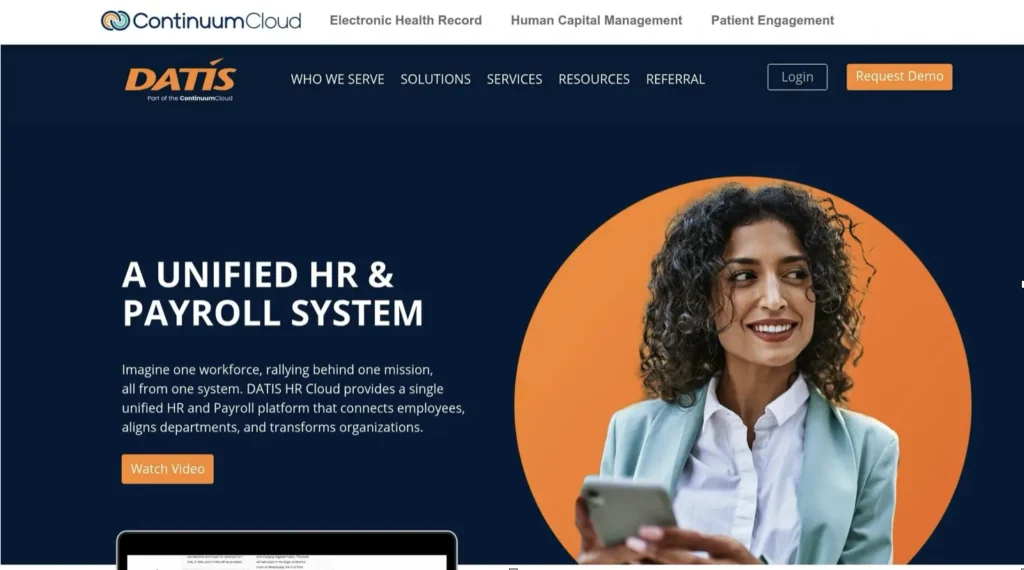
DATIS HCM provides behavioral health organizations with a unified, cloud-based platform that covers every aspect of workforce management – from recruitment to retirement. Unlike traditional HR systems that often rely on multiple platforms to handle various tasks, DATIS HCM integrates everything into a single system, tailored specifically for the unique needs of behavioral health and human services organizations.
With more than 25 years of experience in the field, DATIS HCM brings deep knowledge to the table, managing complex funding streams and diverse workforce structures with ease. This expertise forms the foundation for its comprehensive suite of tools.
Core Features of DATIS HCM
DATIS HCM addresses the entire employee lifecycle through its interconnected modules, offering a seamless experience. Here’s a closer look at its key components:
- Position Control: Instead of tracking individual employees, this feature focuses on positions, making it easier to manage budgets, identify vacancies, and control costs – especially important for organizations juggling multiple funding sources.
- HR Management: This module handles workforce tracking, credential management, and employee self-service portals. It ensures compliance while helping staff stay current with required certifications.
- Recruiting and Onboarding: Designed for the competitive behavioral health job market, this feature streamlines the hiring process, reducing the time needed to find and onboard qualified professionals.
- Time and Attendance: Flexible scheduling is a hallmark of behavioral health settings, and this tool accommodates that. Web-based time clocks ensure accurate time tracking, with data seamlessly integrated into payroll.
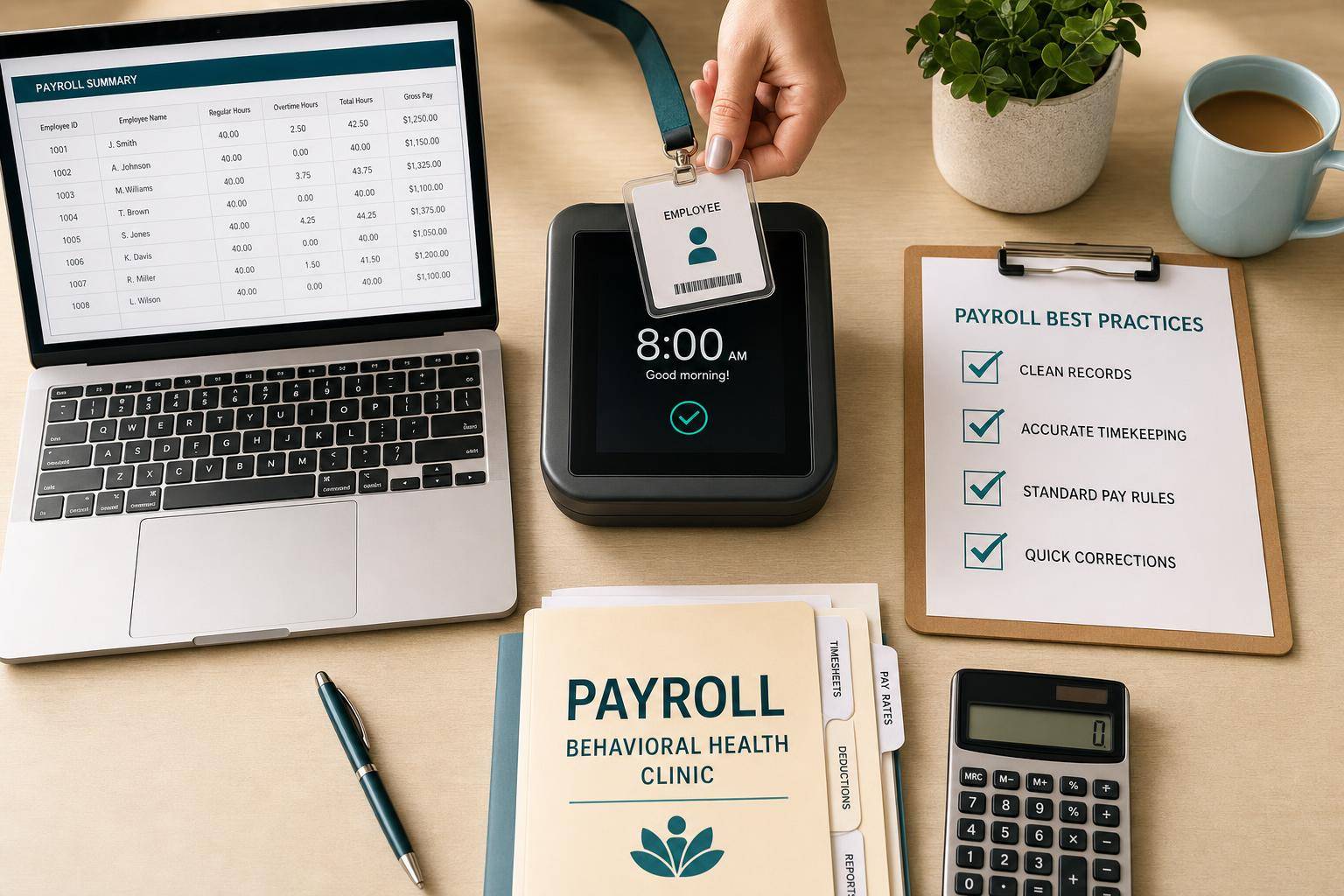
- Payroll Processing: Behavioral health organizations often face complex pay scenarios, with employees working multiple roles, shifts, or programs. The rules-based engine automates these calculations, ensuring accuracy and saving time.
- Benefits Administration: Employees can manage their benefits through configurable plans, making the process straightforward and efficient.
- Talent Management: This feature connects professional development goals with credential requirements, fostering a culture of continuous learning – a necessity in behavioral health.
- Business Intelligence: With over 70 standard reports and custom reporting tools, this module provides real-time dashboards for workforce analytics. Organizations can identify trends in staffing, retention, and operational efficiency to make informed decisions.
These tools help behavioral health organizations streamline recruitment, maintain compliance, and manage costs effectively, directly addressing their staffing and retention challenges.
Why DATIS HCM Works for Behavioral Health
DATIS HCM stands out because it’s built specifically for the behavioral health industry, addressing its unique operational and regulatory challenges. Unlike generic HR systems, this platform understands the intricacies of behavioral health, from funding structures to workforce needs.
“If you have complicated funding streams that require you to report information back to them… then there is not another tool on the market that can do for you what the e3 product can do for you”, says Tami Lewis-Ahrendt, Chief Operating Officer.
One of the platform’s standout features is its position control-based approach, which mirrors the manual systems many behavioral health organizations use for financial management and compliance. This method provides clear visibility into budgets and costs by position, simplifying resource management.
Customization is another key strength. The platform allows organizations to tailor processes to their specific needs, offering nine different ways to allocate labor and time across programs and services. This flexibility ensures that even the most complex operations can run smoothly.
Automation also plays a critical role. The system handles complicated pay scenarios, such as employees working across multiple programs or earning differentials based on certifications and roles, without manual intervention.
“If you’re in Health and Human Services, then this is the product. This is the way to go. Because they’ve already designed it according to that industry, and it just makes sense”, explains Marion McLaurin, Senior VP of Human Resources.
Finally, the platform’s scalability ensures it grows alongside the organization. Whether expanding services, opening new locations, or increasing staff, DATIS HCM can handle the additional workload without requiring major system changes.
Better Recruitment and Staffing with DATIS HCM
Behavioral health organizations often face challenges in filling qualified roles quickly. DATIS HCM addresses this issue by offering a streamlined recruitment pipeline that takes candidates from application to hire faster than traditional methods. Its recruiting and onboarding tools are specifically designed to tackle the unique staffing complexities that behavioral health organizations encounter daily. Here’s how this system helps create a smoother and more efficient hiring process.
The platform’s position-focused approach gives hiring managers a clear view of which roles need to be filled and how those roles align with budget constraints. Instead of piecing together staffing needs across multiple programs or funding sources, recruiters can instantly see which positions are approved, funded, and ready to be filled.
Simplified Recruitment Process
DATIS HCM automates many of the tedious tasks that often slow down recruitment. With its integrated applicant tracking system, job postings are distributed across multiple channels automatically, saving recruiters time and effort while maximizing reach.
Credential verification is another standout feature. The system cross-references candidate qualifications with position requirements, ensuring that certifications, licenses, and training meet the specific needs of the role. This is especially important in behavioral health, where requirements can vary widely. Any missing credentials are flagged early, avoiding delays later in the process.
The platform also standardizes the candidate evaluation process. With uniform evaluation forms, all candidates are assessed consistently, reducing bias and ensuring fairness. Interview scheduling is integrated with the organization’s calendar system, eliminating the need for back-and-forth emails and speeding up the timeline.
Additionally, background check integration streamlines one of the most critical steps in behavioral health hiring. The system automatically initiates background screenings, tracks their progress, and notifies hiring managers when they’re complete. This automation helps avoid the common bottleneck of waiting for background checks to finish before proceeding.
Faster Hiring and Fewer Delays
Real-time analytics within DATIS HCM highlight delays such as time-to-interview, time-to-offer, and time-to-start. Workflow automation eliminates manual handoffs, ensuring that onboarding and other processes are triggered without delay. These tools not only speed up evaluations but also cut down on holdups in the final stages of hiring.
The platform’s communication tools keep candidates engaged throughout the process. Automated status updates provide applicants with timely information about their progress, reducing the risk of losing qualified candidates to other opportunities. Hiring managers are alerted when follow-ups are needed, ensuring no steps are overlooked.
Integration capabilities connect DATIS HCM with existing systems, preventing data silos that can slow down hiring. Once a candidate is hired, their information seamlessly flows into HR management, payroll, and benefits systems.
With mobile access and seamless integration, hiring managers can review applications and schedule interviews from anywhere. This flexibility is especially valuable in behavioral health organizations, where managers often work across multiple locations or have irregular schedules due to client care responsibilities. By enabling managers to act quickly, DATIS HCM ensures new hires are ready to contribute from day one.
Better Employee Engagement and Retention
Once you’ve hired the right talent, the next big challenge is keeping them engaged and committed. DATIS HCM provides tools designed to enhance job satisfaction and support professional development, helping employees feel valued and empowered.
By combining performance management, goal setting, and recognition into a single platform, the system ensures managers can provide consistent support. This is especially helpful for teams spread across various programs or locations.
Employee Engagement Tools
One standout feature of DATIS HCM is its peer-to-peer recognition system, which allows employees to celebrate each other’s contributions. This creates a workplace culture rooted in appreciation and strengthens team bonds – something particularly important in behavioral health settings. These tools not only build morale but can also help reduce turnover.
The platform also includes performance management tools that encourage regular check-ins between managers and their teams. Instead of relying solely on annual reviews, supervisors can hold ongoing discussions about performance, career goals, and growth opportunities. This approach ensures timely feedback and fosters stronger relationships.
Career Development and Growth Support
The Talent Management module ties together performance, goals, credentials, and recognition, giving employees a clear view of their career path and the steps needed to advance.
The goal-setting feature aligns individual objectives with the organization’s mission by cascading goals from leadership down to individual team members. For professionals in behavioral health, understanding how their efforts contribute to the broader mission can be incredibly motivating.
Performance reviews are more personalized with paperless, position-specific templates. Managers can customize evaluations using rule-based configurations to focus on the most relevant skills and responsibilities. Regular check-ins integrate these discussions into everyday workflows, making them more impactful.
Credential management is another key feature. Employees can easily track required licenses, certifications, and continuing education. Automated reminders for expiring credentials and a simple upload process for new documentation minimize administrative hassle.
“There are solutions within DATIS for talent acquisition, for benefits, for payroll, for performance management… it’s all there in one.” – Laura Dornik, HR Director of St. David’s Center
The platform also supports training opportunities and ongoing feedback, encouraging both personal and professional growth. By offering clear development paths, it sets the stage for flexible work options that further boost retention.
Flexible Scheduling to Prevent Burnout
In addition to career development, flexible scheduling plays a vital role in maintaining employee well-being. DATIS HCM provides smart scheduling tools that balance workloads and individual preferences. Managers can create flexible work arrangements that meet employees’ needs while ensuring client services are fully covered.
The workload monitoring feature helps identify when employees are nearing their capacity, allowing managers to step in before stress leads to burnout.
Employee self-service portals make it easy for staff to manage their schedules and request time off, cutting down on administrative hassles. With mobile access, employees can stay updated on schedule changes and communicate seamlessly, no matter where they are working. This flexibility promotes better work-life balance and supports long-term engagement.
Better Operations Through Technology
Improving recruitment and retention is just one piece of the puzzle – operational success also depends on leveraging smart technology. That’s where DATIS HCM steps in. By bringing workforce data into a single, unified system, it simplifies processes and helps organizations make better decisions.
Smarter Decisions with Reporting Tools
DATIS HCM includes Business Intelligence tools designed to turn raw data into practical insights. These tools help identify workforce trends and guide decision-making, ensuring organizations stay informed and proactive. Plus, they integrate seamlessly with the platform’s other features, creating a streamlined and effective solution for managing behavioral health workforces.
How to Implement DATIS HCM Successfully
Getting started with DATIS HCM can be straightforward when you focus on smooth integration, targeted training, and continuous improvement. These steps ensure you maximize the operational benefits the platform offers.
Seamless Integration with Existing Systems
DATIS HCM is designed to work hand-in-hand with your existing technology. It connects effortlessly with tools like Electronic Health Records (EHRs), financial systems, and other software your organization already uses. This eliminates the need for staff to juggle multiple platforms throughout their day.
The process begins with data migration. DATIS HCM’s technical team collaborates closely with your IT department to ensure a smooth transfer of information without interrupting daily operations. Behavioral health organizations typically find they can continue business as usual during the setup.
With API connections, new employee data automatically flows from DATIS HCM into your EHR, removing the need for duplicate entries. This not only saves time but also reduces the risk of manual errors – a win for both efficiency and accuracy.
Training and Support for Your Team
Once integration is complete, training becomes the next priority. Even the most intuitive software needs proper onboarding to unlock its full potential. DATIS HCM provides tailored training resources specifically designed for behavioral health organizations and their unique needs.
Training often starts with administrator sessions, where your HR team learns the system’s core features. These sessions cover everything from creating employee profiles to setting up payroll rules that align with industry standards.
Role-specific training ensures that staff focus only on the tools they’ll actually use. For example, supervisors might concentrate on scheduling and managing time-off requests, while HR teams dive into recruitment tools and compliance reporting. This targeted approach saves time and ensures each team member gets the most relevant information.
DATIS HCM also offers ongoing support through a dedicated help desk and regular follow-ups. Many organizations schedule quarterly reviews during the first year to identify any additional training needs or areas for improvement.
Measuring Success and Refining the System
The real success of implementing DATIS HCM goes beyond simply getting the system up and running. It’s about achieving measurable improvements in how you manage your workforce. To do this, start by setting baseline metricsbefore the implementation and tracking progress over time.
One key metric to monitor is time-to-hire, especially for behavioral health organizations dealing with staffing shortages. Measure how long it currently takes to move a candidate from application to their first day on the job. After implementing DATIS HCM, track whether this timeline improves.
Another important area to evaluate is employee satisfaction. Use simple surveys to gather feedback on scheduling flexibility, communication with supervisors, and overall job satisfaction. These insights can reveal whether the platform is making life easier for your staff.
Turnover rates and retention metrics are longer-term indicators of success. These take time to improve but provide a clear picture of how well the system is helping retain talent. Track these numbers monthly and look for patterns rather than short-term changes. Most organizations notice significant improvements in retention within six to twelve months of consistent DATIS HCM use.
Regular feedback sessions with HR, supervisors, and frontline staff can also uncover opportunities for small but impactful adjustments. Often, minor tweaks to system settings can greatly enhance the user experience.
Leverage the platform’s built-in analytics to monitor metrics like time-to-hire, satisfaction scores, turnover, and retention. These reports not only demonstrate ROI but also help identify areas where further improvements can be made.
Conclusion: Changing Behavioral Health Workforce Management with DATIS HCM
Behavioral health organizations often grapple with unique staffing and retention hurdles, and DATIS HCM offers solutions by simplifying recruitment processes and eliminating inefficiencies.
By optimizing hiring, boosting employee engagement, and supporting flexible scheduling, DATIS HCM helps organizations fill roles faster, strengthen teams, and reduce burnout. Its automation of compliance tasks, reduction of administrative burdens, and use of data insights address retention challenges head-on.
When implemented thoughtfully – with seamless integration, targeted training, and ongoing evaluation – DATIS HCM delivers measurable results, such as shorter hiring timelines, improved employee satisfaction, and lower turnover rates. These outcomes underline its value in reshaping workforce management for behavioral health.
For organizations struggling with staffing shortages and high turnover, DATIS HCM provides a new approach to attracting, engaging, and retaining talent – empowering leaders to focus on delivering outstanding care.
FAQs
How does DATIS HCM help behavioral health organizations overcome staffing and retention challenges?
The platform is packed with features to automate repetitive tasks and manage resources more effectively, freeing up time for organizations to focus on delivering quality care. Designed with the needs of health and human services in mind, DATIS HCM also supports long-term staff retention by boosting workplace satisfaction and simplifying day-to-day operations
What makes DATIS HCM uniquely suited to address staffing and retention challenges in behavioral health?
The platform also supports every stage of the employee lifecycle, from hiring to retention. Designed with the needs of behavioral health organizations in mind, DATIS HCM offers tools to enhance engagement, streamline scheduling, and promote lasting staff satisfaction. The result? A more connected and efficient workforce.
How does DATIS HCM’s position control feature help behavioral health organizations better manage their budgets and resources?
By tying staffing plans directly to budget limits, this feature ensures resources are allocated wisely while staying compliant with funding requirements. It’s a practical way to streamline workforce planning and support the financial health of behavioral health organizations over the long term.