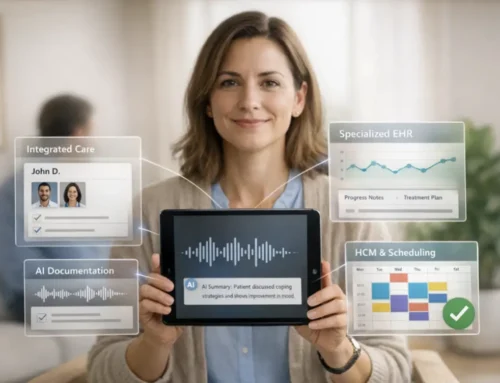
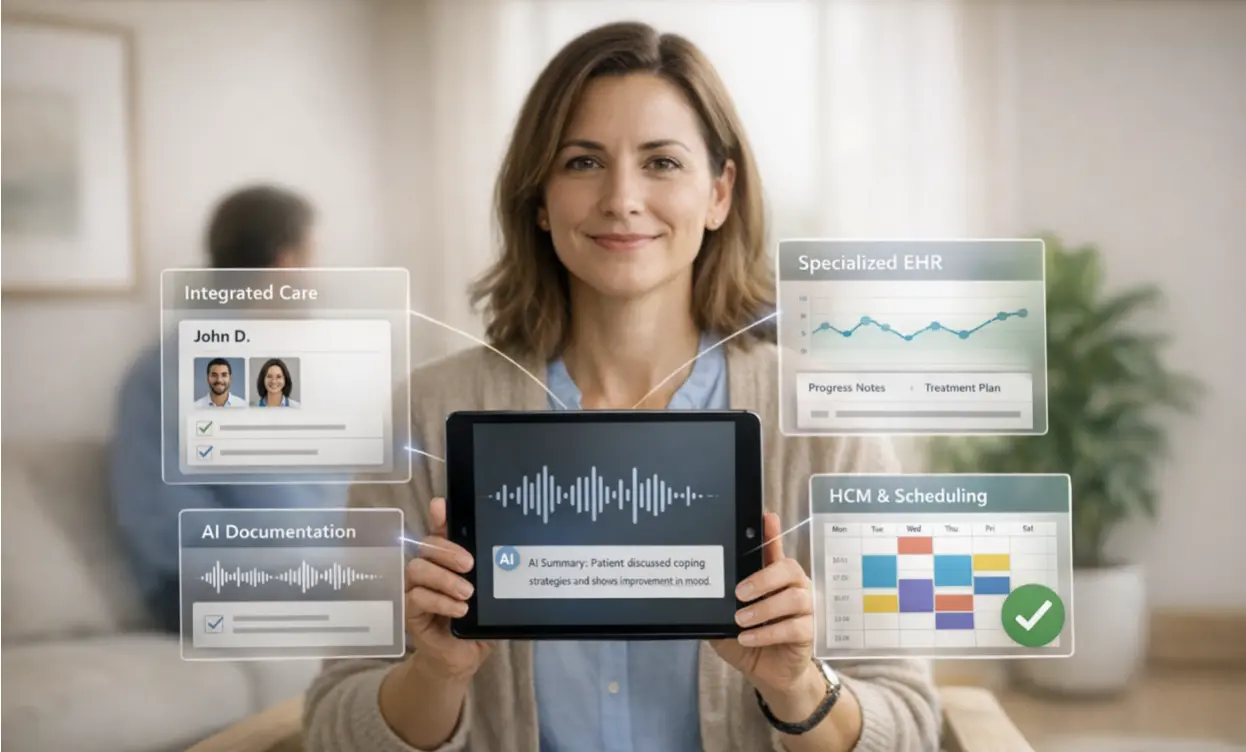
Delivering effective behavioral health care requires tools that simplify workflows and improve client engagement.Welligent’s mobile-first approach equips clinicians with real-time access to client records, streamlined documentation, and enhanced communication tools – all from their mobile devices. This means less time spent on paperwork and more focus on client care.
Key benefits include:
- Mobile documentation and scheduling through Welligent Express, allowing clinicians to manage appointments, update records, and complete notes on the go – even offline.
- Client engagement tools via Welligent Connect, a portal that provides 24/7 access to treatment plans, educational resources, and secure messaging.
- Improved efficiency with features like voice-to-text, real-time updates, and automated reminders, reducing no-shows and administrative delays.
- Cost savings by minimizing errors, speeding up billing, and eliminating paper-based processes.
Welligent bridges gaps in care delivery, making it easier for clinicians to respond promptly and for clients to stay connected. Whether managing appointments, conducting virtual sessions, or updating treatment plans, Welligent’s tools ensure care is accessible and efficient.
Common Problems in Behavioral Health Care
Behavioral health care often faces hurdles that stem from outdated systems and processes, making it harder to deliver effective care. Below are some key challenges that mobile-first solutions aim to address.
Administrative Burdens
One major issue is the overwhelming amount of documentation required, which eats into the time clinicians can spend with their clients. Traditional desktop systems tether documentation to office settings, leaving providers in community settings – like group homes or during home visits – relying on handwritten notes. These notes then need to be manually entered later, a process prone to errors and delays.
This fragmented workflow often forces clinicians to work late into the night to catch up on paperwork, leading to burnout and lower job satisfaction. On top of that, delayed documentation can complicate billing, increase the risk of errors, and create challenges during regulatory reviews, further straining the system.
Communication Delays
Another major barrier is inefficient communication. Outdated methods like playing phone tag or waiting for email responses slow down the flow of critical updates. This can delay interventions and complicate care coordination.
For example, when treatment plans, medication updates, or emergency alerts fail to reach all relevant team members promptly, clients can experience scheduling issues or delays in receiving care. Outside of standard business hours, clients often have limited ways to reach their care teams, leaving them vulnerable during emergencies. These communication gaps can significantly impact the quality and timeliness of care.
Low Client Participation
Technology gaps and office-based care models often fail to meet the needs of clients who require more flexible options. Many behavioral health clients face obstacles such as transportation issues, work conflicts, or anxiety about attending in-person appointments.
These barriers can lead to missed appointments, difficulties in rescheduling, and a lack of timely reminders. Without real-time access to resources, clients may feel unsupported during critical moments, which can increase their reliance on emergency services. Additionally, limited communication tools can hinder adherence to treatment plans. For instance, clients may struggle to report medication side effects, ask questions, or clarify treatment goals, leaving them feeling disconnected from their care process.
Younger clients, in particular, often expect digital engagement options that align with their communication habits. When these options are unavailable, they may disengage entirely, further complicating their treatment journey.
Addressing these challenges requires mobile solutions designed to simplify administrative tasks, improve communication, and foster stronger client engagement.
Welligent‘s Mobile Features and How They Help
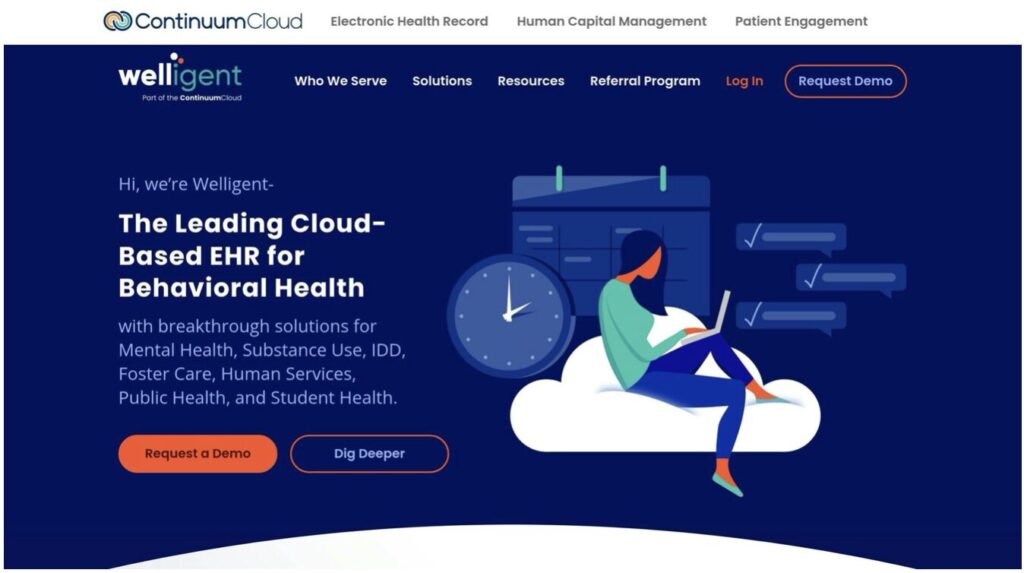
Welligent’s mobile-first approach addresses some of the biggest hurdles in behavioral health by offering practical tools for both clinicians and clients.
Welligent Express: Mobile Documentation and Scheduling
Welligent Express, the mobile version of the Welligent EHR, is compatible with Android, iOS, and Windows devices. It works effortlessly in any care setting, enabling clinicians to securely access and manage client records, schedules, and documentation on the go.
This tool simplifies scheduling by allowing clinicians to view, update, and book appointments in real time. For documentation, it offers features like real-time session notes, assessments, and the ability to upload attachments, capture client photos, and even record insurance cards using the device camera. Voice-to-text functionality and on-screen signatures make note-taking faster and more efficient. Beyond documentation, Welligent Express supports a wide range of care management tasks, including updating treatment plans, tracking progress, monitoring medications, and utilizing screening tools and mobile forms. Even in offline mode, the system securely saves data until connectivity is restored.
While Welligent Express focuses on making clinicians’ work easier, Welligent Connect takes client involvement to the next level.
Welligent Connect: Improving Client Participation
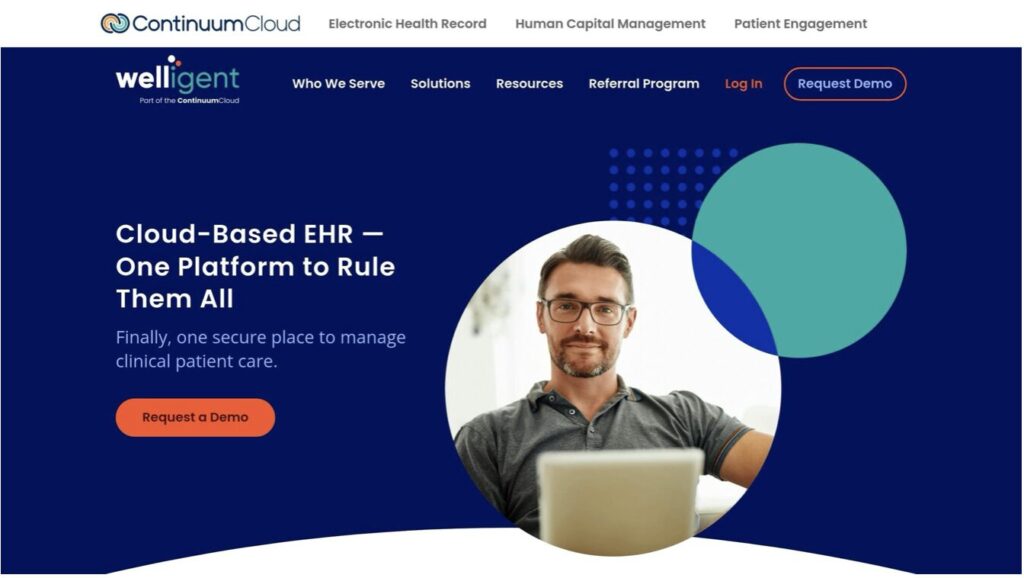
Welligent Connect is a cloud-based portal designed to keep clients engaged in their care. It provides 24/7 access to health records, treatment plans, and educational materials, ensuring clients stay informed and connected with their care team, even outside regular office hours. This centralized access encourages active participation, putting clients in control of their healthcare experience.
How to Set Up Welligent’s Mobile Features in Your Organization
Getting Welligent’s mobile features up and running in your organization involves carefully evaluating workflows and addressing the specific needs of both clinicians and clients.
Review Your Organization’s Needs
Start by examining your current workflows to pinpoint where mobile tools can make the biggest difference. Look at how clinicians work day-to-day to identify where mobile access is most beneficial. Are they frequently traveling between locations, conducting home visits, or working in community settings? These are prime scenarios where Welligent Express can simplify scheduling and documentation.
Evaluate your technology setup: Check your Wi-Fi coverage, ensure devices are available, and review your security protocols. It’s not uncommon for organizations to find gaps in network coverage that need fixing before rolling out mobile tools.
Think about your client base and their comfort with technology. Younger clients might quickly adapt to Welligent Connect’s portal, while older clients could need more guidance. Understanding this will help you create a tailored implementation plan and set realistic expectations for adoption.
Don’t forget state-specific regulations. Mobile documentation must meet compliance standards, so review policies to ensure they align with mobile workflows. Update protocols for device security, data backups, and emergency access to ensure a smooth rollout.
Once you’ve assessed your needs and technology readiness, you’ll be ready to focus on training clinicians and clients.
Train Clinicians and Clients
Introduce mobile features gradually with a phased training program. Start with your tech-savvy clinicians as early adopters – they can act as internal champions, helping others get comfortable with the new tools.
Hands-on training works best. Instead of long presentations, create practical scenarios that reflect real-world challenges. For instance, show clinicians how to use voice-to-text for session notes or update treatment plans on the go. Mock scenarios where they practice using Welligent Express in realistic situations can make the learning process more engaging and effective.
Provide concise training materials like quick reference guides and video tutorials that clinicians can access on their mobile devices. These resources should focus on solving specific problems.
Training clients requires a different strategy. Keep training sessions short and focused on immediate benefits. Show clients how to view upcoming appointments, access treatment-related educational materials, and securely communicate with their care team through Welligent Connect.
Offer training in various formats to suit different preferences. Some clients might prefer one-on-one sessions during appointments, while others could benefit from group workshops. Printed materials can be helpful, too, especially for clients less comfortable with technology.
Effective training not only boosts user confidence but also helps reduce administrative delays and communication hurdles.
Track and Improve Usage
Once training is complete, keep an eye on how the tools are being used and make adjustments as needed to ensure long-term success.
Set clear benchmarks to measure success. Track adoption rates for both clinicians and clients, noting not just who signs up but who actively uses the features. Look at metrics like documentation completion times, appointment no-show rates, and client engagement levels to evaluate the impact.
Hold regular feedback sessions – monthly is a good starting point – to quickly identify and resolve any issues.
Analyze usage patterns to fine-tune workflows. If certain features aren’t being used, dig deeper to understand why. It could be a training gap, a workflow issue, or a feature that doesn’t align with users’ needs. Use this data to make informed adjustments.
Monitor client satisfaction by tracking portal login frequency, message response rates, and feedback on user experience. This can help you refine the onboarding process and identify where additional training might be needed.
Adopt a cycle of continuous improvement. Regularly review metrics, gather feedback, and implement updates to stay aligned with evolving needs. Schedule quarterly reviews to assess progress and plan updates that enhance clinician efficiency and client engagement. Mobile technology evolves quickly, so staying flexible is key to maintaining success.
Empower Behavioral Health with Tailored Solutions
Discover cloud-based EHR, HCM, and Patient Engagement platforms designed to streamline workflows, enhance workforce management, and improve client outcomes for behavioral health organizations.
Explore SolutionsProven Results from Welligent’s Mobile-First Approach
Welligent’s mobile-first approach delivers measurable improvements in time management, client engagement, and operational costs. By integrating mobile capabilities into daily operations, organizations not only streamline workflows but also enhance outcomes for both clinicians and clients. Here’s how these changes translate into real-world benefits.
Time Savings for Clinicians
Mobile documentation significantly reduces the time clinicians spend on administrative tasks. Instead of waiting until the end of the day to batch their notes, clinicians can complete session documentation immediately after appointments. This eliminates the challenge of recalling session details hours later.
The voice-to-text feature is a game-changer for busy professionals. By dictating notes in real time, clinicians ensure accuracy while saving valuable time.
Mobile scheduling also simplifies appointment management. Clinicians can quickly adjust schedules on the go, avoiding the delays and inefficiencies of back-and-forth communications via phone or email. For those working across multiple locations or conducting home visits, the ability to update records in the field means more clients seen in a day – or an earlier end to their workday.
Better Client Participation
While clinicians benefit from efficiency, clients enjoy a more connected and accessible care experience. Appointment reminders sent through Welligent Connect – via text, email, or app notifications – help reduce no-show rates by ensuring clients are prepared and on time.
Secure messaging between sessions keeps clients engaged and allows for quick communication. Whether they have a question, need to share a concern, or want to update their clinician on progress, clients no longer have to wait for their next appointment.
The mobile portal also provides clients with easy access to educational materials, treatment resources, and their care plans. This added convenience improves adherence to treatment goals. Clients can check upcoming appointments, review progress, and communicate with their care team from anywhere – an invaluable feature for individuals with busy schedules, limited mobility, or transportation challenges.
Family members and caregivers also benefit from authorized access to treatment updates and appointment schedules. This transparency fosters greater family involvement in the care process, strengthening support networks around the client.
Cost Savings and Operational Benefits
Improved efficiency for both clients and clinicians leads to noticeable cost savings for organizations. For example, reducing no-show rates directly impacts revenue by ensuring more completed appointments.
Billing processes become smoother with accurate, real-time documentation. Clinicians who complete session notes immediately after appointments help prevent errors, speed up claim submissions, and reduce disputes, leading to faster reimbursements.
Mobile portals allow clients to handle routine tasks – like confirming appointments, updating personal information, or requesting prescription refills – on their own. This reduces the workload for administrative staff, freeing them to focus on more complex tasks.
Switching to digital processes also cuts costs associated with paper records, physical storage, and manual tasks. Additionally, mobile solutions powered by the cloud eliminate the need for on-site servers, reducing technology maintenance expenses. With software updates and security patches managed automatically, organizations save time and resources.
Ultimately, when clinicians spend less time on paperwork and administrative tasks, they can focus more on client care. This allows organizations to serve more clients effectively without increasing staffing levels, improving both service quality and operational efficiency.
Conclusion: Changing Behavioral Health Care Through Mobile Technology
The behavioral health field is at a turning point where mobile-first technology has shifted from being a nice-to-have to an absolute necessity for delivering effective care. Welligent’s mobile capabilities demonstrate how the right tools can turn everyday obstacles into opportunities for better outcomes.
This shift is especially clear in how it enhances clinical efficiency. When clinicians can securely document and manage schedules from anywhere – even offline – it removes traditional barriers, allowing them to focus on what truly matters: their clients.
What sets Welligent apart is its all-in-one design. Instead of requiring organizations to manage multiple systems, it offers a unified platform that simplifies workflows. By automating key tasks, it reduces the administrative load on staff.
The benefits go beyond just operational improvements. Tools like secure telehealth and messaging ensure timely, coordinated care. Clients and their families gain a centralized portal to access information and manage appointments from anywhere, making care more accessible and seamless.
Welligent’s platform is also highly adaptable, allowing organizations to customize it to fit their specific workflows. This flexibility ensures that the technology works in harmony with each organization’s unique requirements.
With these advancements, the direction forward is clear. For behavioral health organizations ready to embrace change, mobile-first technology isn’t just about staying current – it’s about building a foundation for sustainable, efficient care. When clinicians can dedicate more time to their clients and less to paperwork, the entire system benefits.
The future of behavioral health care is mobile, integrated, and focused on the client. By adopting Welligent’s mobile-first solutions, organizations can deliver high-quality care while creating efficient and resilient operations.
FAQs
How does Welligent’s mobile-first approach help clinicians work more efficiently in behavioral health settings?
On top of that, its mobile tools support instant communication with clients, boosting coordination and ensuring faster responses. By streamlining workflows and keeping everyone connected, Welligent enables clinicians to deliver timely, high-quality care while fostering stronger client relationships and better outcomes.
How does Welligent help clients stay engaged and actively participate in their care?
For added flexibility, the Welligent Express mobile app enables clients to manage their care on the go. With the app, they can sign documents, complete assessments, and upload important files directly from their mobile devices. These features empower clients to stay connected and take an active role in their treatment, fostering better engagement and improved outcomes.
How can organizations implement Welligent’s mobile features while staying compliant with state regulations?
Some key steps include setting up strict access controls, obtaining informed consent from clients, offering clear and easy-to-understand privacy notices, and ensuring strong data security measures are in place. By aligning these actions with both federal and state guidelines, organizations can implement Welligent’s features securely and effectively, all while supporting quality care delivery.