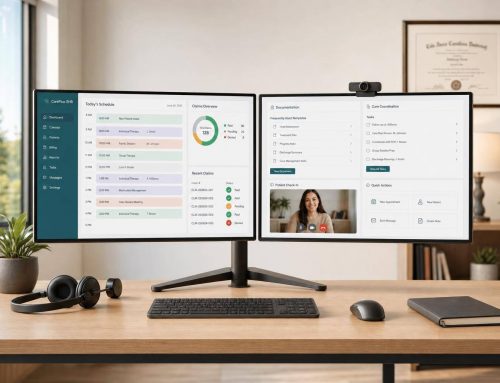
Unified EHR systems are transforming behavioral health care. They consolidate patient data, streamline workflows, and improve care coordination by integrating clinical documentation, billing, scheduling, and communication into one platform. This eliminates the inefficiencies of fragmented systems, where siloed information can disrupt care and increase administrative burdens.
Key points:
- Improved Care Coordination: Providers access a patient’s full health history in one place, enabling better decision-making and faster responses to changes.
- Operational Efficiency: Unified systems reduce repetitive tasks like duplicate data entry, speed up billing, and simplify compliance reporting.
- Enhanced Patient Experience: Features like patient portals and telehealth integration make care more accessible and transparent, while digital tools simplify intake and engagement.
- Stronger Compliance & Security: Centralized systems ensure consistent privacy protections, audit trails, and role-based access.
Unified EHRs, such as ContinuumCloud‘s Welligent platform, address long-standing challenges in behavioral health, helping organizations deliver better care while improving financial performance.
Less admin.
Stronger teams.
Better client outcomes.
See how behavioral health organizations streamline documentation, staffing, and client engagement with ContinuumCloud.
Which solution would you like to explore?
Main Benefits of Unified EHR Systems
Unified EHR systems are reshaping behavioral health care by centralizing patient information, simplifying workflows, and improving care delivery. These platforms address long-standing challenges, enabling providers to deliver better care while managing daily operations more efficiently.
Better Care Coordination and Patient Outcomes
One of the biggest advantages of unified EHR systems is how they break down information silos that have historically hindered behavioral health care. With all patient data stored in one easily accessible location, care teams can make well-informed decisions and respond quickly to changes in a patient’s condition.
Real-time data sharing is key here. For instance, if a psychiatrist adjusts a patient’s medication, the system can instantly notify the therapist and case manager. This ensures everyone is on the same page, reducing the risk of harmful drug interactions and helping the team understand how treatment changes might affect the patient’s progress.
This is especially critical for patients with co-occurring disorders, like depression and substance use. Unified systems allow providers to monitor how mental health improvements align with sobriety milestones – or how a relapse might impact mental health. This level of insight ensures the entire care team stays informed and proactive.
Transitions in care also become seamless. A patient’s complete treatment history can move with them, reducing the risk of information gaps when switching providers. This continuity leads to more accurate assessments and better treatment planning, ultimately improving outcomes.
By enhancing care coordination, these systems also naturally boost operational efficiency.
Increased Efficiency
Administrative tasks can be a significant drain on behavioral health providers, but unified EHR systems help by streamlining workflows and cutting down on repetitive tasks.
For example, integrated scheduling simplifies appointment booking by automatically verifying insurance, authorizations, and required documentation. This eliminates the back-and-forth that often delays scheduling and frustrates both staff and patients.
Billing becomes much smoother, too. Unified systems can automatically generate charges based on documented services, reducing errors and speeding up revenue collection. This creates a healthier cash flow for organizations.
Reporting and compliance tasks – once time-consuming and manual – are now much faster. Unified systems can generate outcome reports, track quality metrics, and prepare regulatory submissions with data already entered during clinical work. This allows staff to shift their focus back to patient care.
Even clinical documentation is quicker. Providers can use templates and automated workflows to pull relevant information from previous sessions, cutting down on repetitive data entry. Many systems also include voice-to-text functionality and smart forms that adjust based on the type of service being documented.
Training is another area where unified systems save time. With all functionalities consolidated into one platform, new employees can get up to speed faster, and existing staff can easily take on different roles when needed. This is particularly helpful for smaller organizations where staff often juggle multiple responsibilities.
These efficiency improvements also pave the way for stronger compliance and security measures.
Compliance and Data Security
Unified EHR systems not only enhance efficiency but also strengthen compliance and data security – two critical areas for behavioral health organizations, which face some of the strictest privacy regulations in healthcare.
HIPAA compliance is easier to manage with features like unified audit trails and role-based access controls. These systems ensure that staff members only see the information relevant to their roles, reducing the risk of unauthorized access.
For organizations handling substance use disorder records, the specialized requirements of 42 CFR Part 2 can be particularly challenging. Unified systems can automatically apply the necessary privacy protections, ensuring sensitive information isn’t disclosed accidentally.
Data security is another area where unified systems excel. Instead of juggling multiple vendors and platforms, organizations can focus their cybersecurity efforts on a single system. This approach simplifies tasks like managing security protocols, creating reliable backups, and planning for disaster recovery.
Consent management also becomes more efficient. Unified systems can track different types of consent for various services, flagging when new authorizations are needed or when existing ones are about to expire. This proactive approach helps organizations stay compliant and ensures patients retain control over their information.
Additionally, responding to patient requests – whether for medical records or restrictions on certain disclosures – is much simpler. Instead of pulling data from multiple systems, staff can generate comprehensive records from a single platform, applying the appropriate privacy protections along the way.
How Unified EHRs Improve the Patient Experience
Unified EHR systems have reshaped the way patients interact with their healthcare providers, making care more accessible, transparent, and engaging.
Easy Patient Portals and Telehealth Integration
Unified EHR systems often include patient portals that offer round-the-clock access to health information. This means patients can review treatment plans, session notes, and track their progress anytime, removing the old limitations of having to wait until their next appointment.
Telehealth integration is a game-changer, especially for behavioral health patients. Whether it’s transportation challenges, work conflicts, or anxiety about in-person visits, telehealth provides a flexible alternative. Patients can switch between in-person and virtual appointments seamlessly, with all their records staying up-to-date and in one place.
These portals also simplify appointment scheduling, allowing patients to book in real time without the hassle of phone calls. Managing prescriptions becomes easier too – patients can request refills online, get notified when medications are ready, and receive reminders about their schedules. This is especially helpful for those juggling multiple medications or struggling with adherence.
On top of that, patients gain access to educational resources and secure messaging tools, encouraging ongoing engagement and collaboration with their care teams. This level of accessibility fosters a more transparent and participatory care experience.
Shared and Clear Care
A unified EHR system ensures all providers have access to the same information, reducing the need for patients to repeat their medical history or worry about details slipping through the cracks. This shared access helps patients feel more involved in their care.
Collaborative treatment planning becomes smoother with shared care plans and real-time updates. For those with complex needs, such as individuals participating in both individual therapy and group counseling, this approach highlights how different aspects of care contribute to their overall progress. With the right permissions, family members can also stay informed, offering better support to their loved ones.
Patients can track their goals and see their progress over time, which adds a sense of accomplishment and helps identify patterns that might otherwise go unnoticed. Reviewing session notes ahead of appointments also allows patients to come prepared, leading to more productive discussions and a stronger sense of control over their treatment.
Crisis planning is another area where unified EHRs shine. Patients can access safety plans, emergency contacts, and coping strategies whenever they need them, providing crucial support in difficult moments. This level of transparency and preparedness begins as early as the intake process and continues throughout their care.
Simple Intake and Engagement Tools
Digital tools streamline the intake process, cutting down on wait times and letting providers focus on what matters most – clinical care.
Pre-appointment forms are easy to navigate, often broken into smaller sections with clear explanations for any complicated questions. Patients can even save their progress and return to finish forms later, making the process less overwhelming.
From the first contact to ongoing care, integrated tools create a smooth experience. Automated appointment reminders, for example, help reduce no-shows, which is especially important in behavioral health settings where consistency is key. These reminders can be customized to fit patient preferences, whether they prefer texts, calls, or emails.
Educational resources become more meaningful when tied directly to a patient’s treatment plan. Instead of receiving generic materials, patients get access to articles, videos, and tools tailored to their specific needs and goals. The system even refines recommendations based on how patients engage with the resources.
Progress tracking tools, like mood trackers or medication logs, keep patients involved between sessions. These insights not only help patients stay connected to their care but also provide valuable information for providers.
Some systems go a step further by fostering peer support. Patients with similar conditions or goals can connect, creating a sense of community and encouragement. For example, organizations using ContinuumCloud’s alumni engagement platform, CaredFor, can build online communities that extend support beyond appointments. This keeps patients connected to both their care and others who understand their journey, reinforcing a sense of belonging throughout their treatment.
Empower Behavioral Health with Tailored Solutions
Discover cloud-based EHR, HCM, and Alumni Engagement platforms designed to streamline workflows, enhance workforce management, and improve client outcomes for behavioral health organizations.
Explore SolutionHow to Implement Unified EHRs
Implementing a unified Electronic Health Record (EHR) system is a crucial step in achieving better-integrated care and operational efficiency. However, making the switch requires careful planning and a well-thought-out strategy. Organizations that dedicate time to preparation often experience smoother transitions and more successful outcomes.
Key Features to Look for in Unified EHRs
When choosing a unified EHR system, focus on features that meet the specific needs of your organization. Here are some essential capabilities to prioritize:
- Support for behavioral health workflows, such as treatment planning, progress notes, group therapy documentation, and crisis protocols. These features should work seamlessly across individual, group, or family sessions without needing additional customization.
- Automated compliance with HIPAA, state regulations, and payer requirements. Look for systems that include audit trails, automated consent management, and built-in privacy controls.
- Integration with other tools like billing systems, labs, pharmacies, and assessment platforms. Ensure the system supports API integration and complies with HL7 FHIR standards for smooth interoperability.
- Efficient management of service codes, insurance verification, claims processing, and flexible payment options to streamline administrative tasks.
- Customizable dashboards, automated reporting, and analytics tools to help track outcomes, compliance rates, and overall performance.
Preparing Your Organization for Integration
A successful EHR implementation requires more than just the right technology – it also depends on how well your team is prepared for the transition. Here’s how to set your organization up for success:
- Identify “super users” within your staff and provide them with advanced, scenario-based training. These individuals can serve as go-to resources for their colleagues during the transition.
- Develop training materials that reflect your actual workflows. Using real-life patient cases (with sensitive details removed) can make training more relatable and show staff how the system improves daily tasks.
- Clearly communicate the benefits of the new system, such as reducing duplicate data entry, minimizing paperwork, and freeing up time for patient care.
- Hold regular feedback sessions to address any issues early in the process. Many organizations form implementation committees with representatives from clinical, administrative, IT, and billing departments to ensure all perspectives are considered.
- Choose a vendor that offers robust support during and after the transition. Look for dedicated implementation specialists, 24/7 technical assistance, and ongoing training resources. Vendors with experience in behavioral health can offer valuable insights.
- Plan your data migration carefully. Work with your vendor to map out how current data will transfer to the new system. Test the migration process multiple times with sample data, and schedule the final migration during a low-activity period to minimize disruptions.
With thorough preparation, training, and vendor support, your organization will be well-positioned for a smooth transition to a unified EHR system.
Scaling for Long-Term Success
Once your unified EHR system is in place, the focus shifts to maintaining and expanding its capabilities. A phased approach can help your team adapt more easily:
- Start with core functions like scheduling and documentation. Once these are mastered, gradually introduce additional features such as patient portals, telehealth, and advanced reporting tools.
- Monitor system performance to identify potential issues early. Track metrics like system response times, user engagement, and feature adoption rates. If certain features aren’t being used as expected, additional training might be needed.
- Keep your system up to date with evolving regulations and industry standards. Work with a vendor that provides automatic updates and clear communication about changes. Assign team members to test new features before rolling them out organization-wide.
- Plan for future growth. As your organization adds new locations, services, or staff, ensure your EHR can handle the increased demand. Cloud-based systems, such as ContinuumCloud’s Welligent platform, often scale more easily than on-premise solutions, automatically adjusting capacity as needed.
- Explore new integration opportunities. As your team becomes more comfortable with the system, you may identify additional tools or processes to integrate. Keep a prioritized list of these opportunities based on their potential impact and ease of implementation.
- Gather ongoing feedback from users through surveys or focus groups. This input can highlight areas for improvement, whether it’s workflow adjustments or additional training needs.
Why Unified EHRs Beat Fragmented Systems
Fragmented systems can disrupt care and create inefficiencies, but unified platforms like ContinuumCloud’s Welligentare changing the game. These comprehensive systems simplify operations and improve service delivery, making them a smarter choice for providers.
The Problems with Fragmented EHR Systems
Fragmented EHR systems create a tangled web of disconnected data, making it harder to provide quality care and run efficient operations. For instance, when departments rely on separate systems for tasks like scheduling, clinical documentation, billing, and patient communication, vital information often gets stuck in data silos.
This lack of integration forces clinicians to enter the same data multiple times across different platforms. The result? Duplicate work, fragmented patient records, and a higher risk of medical errors as critical details can slip through the cracks.
Patient records often become incomplete and scattered. Imagine a psychiatrist prescribing medication without access to therapy notes from the counseling department. This disconnect can lead to treatment conflicts or missed opportunities for coordinated care – a scenario no provider wants.
Fragmentation also makes compliance a headache. Each system may follow different security protocols and reporting standards, complicating efforts to maintain consistent HIPAA compliance.
The financial toll is just as concerning. Billing teams frequently deal with incomplete or mismatched information, leading to denied claims and delayed payments. When clinical documentation is in one system and billing codes in another, managing the revenue cycle becomes cumbersome and error-prone.
Unified EHRs as the Solution
Unified EHR systems tackle these challenges by creating a single source of truth for all patient data. From intake to discharge, every interaction is recorded in one platform accessible to all authorized staff.
This seamless integration revolutionizes care coordination. For example, when a case manager updates a treatment plan, the therapist, psychiatrist, and billing team can instantly see the changes. Real-time information sharing ensures everyone involved in a patient’s care stays on the same page, reducing miscommunication and improving outcomes.
Unified systems also streamline workflows by eliminating redundant data entry. Clinicians input information once, and it automatically updates across scheduling, billing, and reporting functions. This efficiency frees up time for providers to focus more on patient care and less on administrative tasks.
Compliance becomes easier to manage, too. Unified platforms apply consistent security protocols and generate detailed audit trails across all functions. Regulatory reports can be created with just a few clicks, reducing the need for manual oversight.
Patients benefit significantly from unified systems. They can access their complete care history through a single portal, schedule appointments across departments effortlessly, and receive coordinated communication from their entire care team. This connected approach addresses the gaps seen in fragmented systems and enhances the overall patient experience.
Actual Impact of Unified EHRs
The benefits of unified EHRs go beyond theory – they deliver measurable results. Organizations that adopt these systems often see substantial improvements in both efficiency and patient outcomes.
For starters, staff productivity receives a major boost. When clinicians no longer waste time switching between systems or searching for patient information, documentation becomes quicker, allowing them to see more patients or dedicate more time to direct care.
Revenue cycle management becomes smoother, too. Clinical documentation flows seamlessly into billing systems with accurate coding and supporting details. Claims are processed faster and with fewer errors, speeding up payment collection.
Patients notice the difference as well. Satisfaction scores tend to rise after implementing unified EHRs. They appreciate the ease of coordinated care, smoother appointment scheduling, and the ability to view their entire treatment history through integrated patient portals.
Staff morale improves when technology works for them instead of against them. Clinicians feel more confident in their decisions with complete patient records readily available, and administrative staff spend less time on repetitive, manual tasks.
ContinuumCloud’s platform is designed specifically for behavioral health workflows, integrating scheduling, documentation, billing, and alumni engagement into one cohesive system. By eliminating inefficiencies and reducing risks tied to fragmented systems, it helps organizations achieve better outcomes and positions them for long-term success.
Conclusion: The Future of Behavioral Health Is Integrated
The behavioral health industry stands at a critical crossroads. Organizations face a choice: stick with fragmented data systems or embrace unified EHR platforms that simplify care delivery.
Unified systems bring everything together – documentation, scheduling, billing, and alumni engagement – freeing clinicians to concentrate on what matters most: providing care. For patients, this means a seamless, consolidated care history, which leads to a smoother experience. These operational efficiencies not only streamline workflows but also enhance the overall quality of care.
But the benefits go beyond just simplifying processes. Unified EHRs can significantly improve financial and operational performance. They make tasks like claim processing, billing, and managing revenue cycles more efficient, which, in turn, boosts staff productivity and patient satisfaction. Compliance becomes less of a headache, seamlessly integrating into daily operations.
A great example of this is ContinuumCloud’s Welligent, a platform designed specifically for behavioral health workflows. As the industry moves toward value-based care and patient-centered models, solutions like these will be essential for organizations aiming to adapt and thrive.
FAQs
How do unified EHR systems enhance care coordination for patients with co-occurring disorders?
These systems also enhance integrated treatment strategies by combining mental health care with substance use disorder management. Tools like medication-assisted treatment tracking, drug and alcohol screening, and coordinated care planning make it easier for providers to deliver care tailored to each patient’s needs. By improving communication and enabling seamless data sharing, unified EHRs help care teams make more informed decisions, ultimately leading to better patient outcomes.
How do unified EHR systems improve data security and ensure compliance in behavioral health care?
On top of that, these systems centralize data management, cutting down on errors and reducing the likelihood of breaches that can occur with disconnected systems. By simplifying compliance tasks and offering built-in tools for monitoring and reporting, unified EHRs allow healthcare providers to meet regulatory standards more efficiently, freeing up their time to focus on delivering top-notch patient care.
What can organizations do to ensure a seamless transition to a unified EHR system?
Assemble an implementation team that includes members from clinical, administrative, and IT departments to ensure diverse perspectives and expertise. Select an EHR vendor that aligns with your objectives, offers seamless integration options, and provides reliable ongoing support. Make staff training a top priority and conduct thorough testing to confirm the system is ready to handle real-world scenarios before launching.
After the system goes live, keep a close eye on its performance and actively collect feedback from users. Use this input to make necessary adjustments and fine-tune the system. Regular updates and improvements will ensure the EHR continues to meet your organization’s evolving needs.