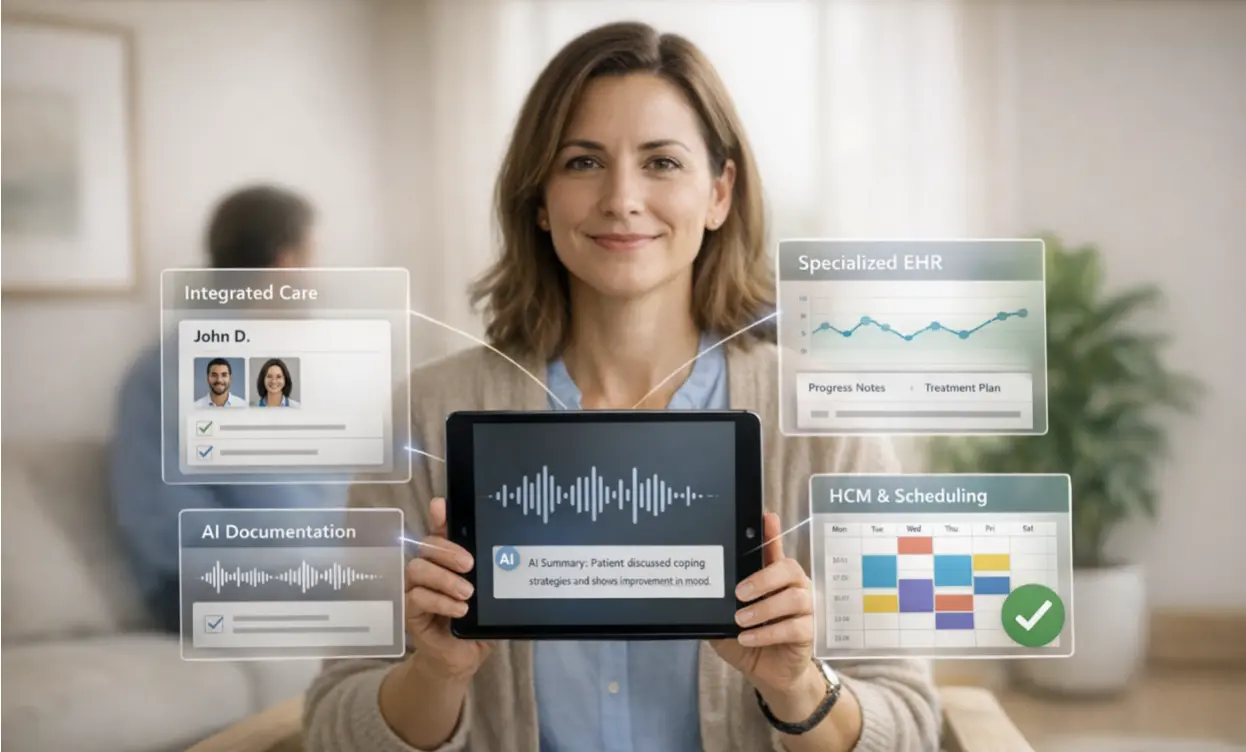
Digital tools reshaped healthcare in 2025, making patient support more personalized and accessible. Behavioral health providers shifted from traditional appointments to continuous care by leveraging real-time communication, symptom tracking, and predictive analytics. Key advancements included:
- AI assistants for 24/7 support and early risk detection.
- Omnichannel platforms that unified text, video, and other communication methods for seamless patient interactions.
- Wearables and remote monitoring to track health data like sleep and activity, enabling earlier interventions.
- Data-driven care with predictive analytics to prevent crises and personalize treatment plans.
These tools improved care quality, reduced provider workloads, and addressed patient demands for convenience. Trust and data security were critical, as clear communication about privacy encouraged patients to engage with these technologies. By combining digital innovation with patient-centered practices, healthcare providers delivered better outcomes in a scalable way.
Major Digital Engagement Trends in 2025
By 2025, digital engagement took a leap forward, reshaping how care is delivered and experienced.
AI-Powered Communication and Virtual Assistants
AI brought new solutions to accessibility challenges, with chatbots and virtual assistants becoming the go-to for immediate support. These tools didn’t just answer routine questions – they triaged concerns based on urgency and offered 24/7 assistance for tasks like scheduling appointments, reminding patients about medications, and managing symptoms.
For instance, if someone reached out after hours feeling anxious, an AI assistant could guide them through breathing exercises or coping techniques, while ensuring a clinician followed up the next day. This round-the-clock availability was a game-changer for organizations managing high patient volumes. By automating intake processes and collecting key information before appointments, AI allowed clinicians to focus on providing care rather than administrative tasks.
What made these tools even more impactful was their ability to detect subtle changes in communication patterns – like slower response times or shifts in language – that might signal a mental health decline. This proactive feature ensured care teams could step in early. Plus, the conversational nature of AI made it easier for patients to share sensitive information, especially those hesitant to reach out directly. These advancements laid the groundwork for a more integrated and responsive engagement model.
Omnichannel Communication Platforms
Building on AI’s capabilities, omnichannel platforms brought all communication methods together in one place. These platforms acknowledged that patients have different preferences – some might prefer text messages, while others lean toward video calls or secure portals. By unifying these options, organizations ensured seamless interactions across all channels.
This approach didn’t just improve convenience; it also provided care teams with a complete communication history, reducing gaps and improving continuity of care. For patients who preferred digital interactions, tools like SMS-based check-ins often led to higher engagement compared to traditional phone calls. And with everything consolidated into a single system, patients no longer had to juggle multiple logins, while clinicians had the full context of a patient’s history at their fingertips. The result? Smarter, more informed decision-making.
Remote Patient Monitoring and Wearables
Wearable devices and remote monitoring tools brought objective health data into behavioral health care, offering insights that went beyond self-reported symptoms. These devices tracked sleep patterns, physical activity, heart rate variability, and more, giving clinicians a fuller picture of a patient’s well-being.
For example, if a wearable flagged several nights of disrupted sleep, it could trigger an alert for a timely check-in. Similarly, a drop in physical activity might hint at an emerging depressive episode. This kind of real-time data allowed care teams to intervene early, potentially preventing more serious issues down the line. Patients also benefitted by gaining a clearer understanding of their own health patterns, empowering them to take action.
Remote monitoring extended beyond wearables to include smart devices like pill bottles and environmental sensors, which tracked daily routines. By combining continuous monitoring with streamlined communication, care shifted from episodic check-ins to ongoing support. With this enhanced visibility, clinicians could adjust treatment plans proactively, ensuring patients received the care they needed when they needed it most.
Using Data to Improve Patient Outcomes
By 2025, digital tools weren’t just generating massive amounts of health data – they were transforming how care was delivered. These tools enabled care teams to shift from reacting to problems as they arose to proactively addressing potential issues. By analyzing patterns in both individual health records and broader patient populations, care providers could anticipate needs and take action before complications occurred.
Predictive Analytics for Early Interventions
Predictive analytics became a game-changer in patient care strategies by 2025. Instead of focusing on treating problems after they developed, care teams used these tools to prevent issues from escalating in the first place. By analyzing historical data, treatment outcomes, and behavioral patterns, predictive models identified patients at high risk for specific conditions or setbacks. This early warning system allowed care teams to step in before situations spiraled into emergency department visits or other severe outcomes. In fact, organizations using predictive engagement platforms reported that over 70% saw a decrease in preventable emergency visits by addressing risks early.
Doug Brown, founder of Black Book Research, summed up this transformation:
“Advanced technologies like AI, predictive analytics, and omnichannel communication platforms are no longer optional – they are the foundation of modern patient engagement strategies.”
With continuous data collection, care teams could detect subtle changes in engagement patterns – missed appointments, delayed responses, or shifts in communication tone. Algorithms flagged these changes, and wearable devices provided additional insights into a patient’s health status. This enabled clinicians to adjust treatment plans or schedule extra support before conditions worsened.
Risk segmentation added another layer of precision. Instead of applying a one-size-fits-all approach, care teams customized follow-ups based on individual risk levels. For instance, patients showing multiple warning signs received more frequent check-ins, while stable individuals required less intensive monitoring. This targeted approach ensured that limited clinical resources were used where they had the most impact, reinforcing the proactive care model.
Personalized Treatment Plans Using Health Data
Data analytics didn’t just help with early intervention – it also allowed for highly personalized treatment plans. By integrating multiple data sources, care teams created detailed profiles for each patient, identifying what specific strategies worked best for them.
This approach was particularly effective in behavioral and women’s health care, which achieved the highest digital engagement scores. The median Patient Digital Engagement Index (PDEI) for these specialties ranged between 20 and 24. Higher engagement led to better data quality, which in turn enabled more precise and individualized care.
For example, chronic disease management platforms demonstrated how continuous monitoring and tailored interventions could significantly improve behavioral health outcomes. Patients who might have avoided in-person appointments due to discomfort – 42% of consumers cited this as a barrier to care – found digital tools like text messaging or app-based check-ins to be more approachable. These tools allowed patients to share sensitive information in a way that felt safer, giving clinicians valuable insights even when face-to-face conversations were difficult.
Treatment plans also became more dynamic, evolving in real time based on patient feedback and data. For instance, improved sleep patterns after a medication adjustment validated the effectiveness of a treatment, while persistently high anxiety scores signaled the need for a new approach. This feedback loop ensured that care stayed aligned with a patient’s changing needs.
Transparency played a key role as well. When patients had access to their own health data through dashboards or reports, they could see what was working and why. This visibility encouraged collaboration between patients and providers, making treatment decisions more informed and empowering patients to take an active role in their care journey.
Empower Behavioral Health with Tailored Solutions
Discover cloud-based EHR, HCM, and Patient Engagement platforms designed to streamline workflows, enhance workforce management, and improve client outcomes for behavioral health organizations.
Explore SolutionBuilding Trust and Protecting Patient Data
As digital tools became a cornerstone of patient care by 2025, trust and security took center stage. Beyond convenience, patients demanded transparency and assurance that their personal health data would be handled with care. With personalized care relying heavily on this data, protecting it became a top priority. Without trust, even the most sophisticated technologies failed to gain traction.
Healthcare organizations that prioritized clear communication and robust security measures saw stronger patient engagement. On the other hand, those that neglected these aspects risked losing patients. Sensitive information, such as mental health details or chronic condition data, was shared more freely when patients felt confident it would be safeguarded and used solely to enhance their care.
Clear Communication with Patients
Patients wanted clarity when it came to their data. Questions like, Who has access to my health information? How is it being used? Can I control what gets shared? were at the forefront of their concerns. When providers addressed these questions openly, patient confidence grew.
Using plain language in privacy policies made a big difference. Patients appreciated when organizations clearly explained how their data would be used – whether for tailoring treatment plans, spotting early warning signs, or improving care coordination. This type of transparency was especially critical during vulnerable times, such as managing a mental health crisis or dealing with a chronic illness.
On the flip side, poor communication had serious consequences. Patients often switched providers when they felt engagement strategies fell short. Spam-like or unverified messages were quickly dismissed, reinforcing the need for trustworthy and recognizable communication channels. Whether through text reminders, app notifications, or email updates, patients needed to feel confident in the source of the information.
The most successful organizations made it easy for patients to understand their treatment options and data usage policies. By proactively answering questions and being upfront about expectations, they fostered trust. This approach encouraged patients to engage with digital tools and share the information needed for better care.
Transparency in communication naturally tied into the need for strong security practices in digital health.
Strong Data Security Measures
In 2025, securing patient data wasn’t just about meeting technical standards – it was about earning trust. Patients expected their health information to be protected with the same rigor as financial data. While HIPAA compliance provided a baseline, leading organizations went beyond it, adopting advanced security protocols to meet the demands of continuous digital monitoring.
Wearable devices and remote monitoring tools posed unique challenges. These tools generated vast amounts of real-time data, such as heart rates, sleep patterns, and activity levels. Managing this constant flow required updated definitions of health data and new approaches to securing it. From the moment data left a patient’s home to when it reached clinical systems, encryption and protection were essential.
Organizations implemented measures like multi-factor authentication, encrypted storage, regular security audits, and strict access controls to keep data safe. Care teams received training on proper data handling, and systems were designed to detect unusual access patterns that could indicate breaches.
Patients also gained more control over their data. They could actively manage their information and decide who could access it, giving them a sense of ownership over their health journey. This empowerment strengthened trust and encouraged engagement with digital health tools.
Clear communication about security measures – such as encryption standards, compliance certifications, and data protection policies – further reassured patients. Knowing their information was secure made them more comfortable sharing sensitive details. This was particularly important in areas like behavioral health, where privacy concerns often deterred people from seeking care. Trust wasn’t just a benefit – it was a necessity for effective digital health care.
How to Implement Digital Engagement Tools
After exploring the development of digital tools, the next step is figuring out how to put them into action effectively.
By 2025, behavioral health organizations demonstrated that having reliable digital systems and ensuring staff are well-trained can significantly enhance digital engagement. This approach has reshaped how patient support is delivered, paving the way for smarter, data-driven care.
Investing in Digital Infrastructure and Training
The backbone of successful digital engagement lies in secure, scalable systems paired with a well-prepared team. Training should emphasize how technology can complement clinical skills and improve patient interactions, making processes smoother and more efficient.
Conclusion
By 2025, digital engagement had transformed patient support in profound ways. As we’ve seen, digital tools brought a new level of responsiveness and personalization, reaching patients through their preferred methods – whether that was a quick text, a video call, or data from wearable devices.
Predictive analytics played a key role in identifying patients at risk before issues escalated, enabling earlier interventions. Meanwhile, real-time health data allowed for personalized treatment plans that could adapt on the spot, improving care strategies. These advancements didn’t replace human care but enhanced it, freeing up clinicians from time-consuming administrative tasks so they could focus on meaningful, one-on-one patient interactions.
Equally important were data security and clear communication, which helped build trust. When patients understood how their data was safeguarded and used to improve their health outcomes, they became more open to engaging with tools like virtual check-ins, recovery trackers, and risk alerts. By prioritizing data protection and investing in reliable digital systems and staff training, healthcare organizations not only earned patient trust but also streamlined operations – key elements that supported the progress outlined in this article.
From these developments, it’s clear that digital engagement isn’t just a passing phase – it’s a lasting evolution in patient care. The organizations that successfully blend advanced digital tools with a strong focus on patient-centered care will be the ones leading the way in delivering better health outcomes.
FAQs
How do AI assistants and predictive analytics improve patient care in digital engagement?
Together, these tools enable healthcare providers to offer personalized support, simplify check-in processes, and provide recovery resources that align with each patient’s specific requirements. This partnership leads to improved patient outcomes, stronger engagement, and a care experience that adapts to individual needs.
How is patient data kept secure and trust maintained when using digital health tools?
By prioritizing transparency and following strict regulatory guidelines, these measures help create confidence in digital health solutions, reassuring patients that their information is both safe and handled with care.
What are the best ways healthcare providers can use digital tools to enhance patient support and outcomes?
On top of that, predictive analytics can pinpoint patients who may be at higher risk, allowing providers to step in with timely and proactive care. Ensuring system interoperability is also crucial, as it enables smooth data sharing and better coordination across healthcare teams. Lastly, focusing on data privacy and cybersecurity not only protects sensitive patient information but also builds trust in these digital healthcare solutions.