Mental health organizations deal with unique HR challenges that directly impact staff well-being and patient care. Here’s a quick overview of the top 8 challenges and actionable solutions:
- High Staff Turnover: Rates range from 25%-60% annually. Solutions include flexible schedules, professional development, and modern HR tools.
- Burnout Prevention: 62% of mental health nurses report burnout. Tactics include workload management, counseling access, and mindfulness programs.
- Healthcare Regulation Compliance: New rules like MHPAEA demand parity in mental health benefits. Use advanced EHR systems and thorough documentation to stay compliant.
- Staff Shortages: Recruitment and retention are critical. Leverage AI tools, flexible work options, and robust hiring strategies.
- Employee Mental Health Care: 86% of employees face mental health struggles. Offer wellness programs, EAPs, and regular check-ins.
- HR Software Implementation: Streamline operations with tools for compliance, mental health tracking, and self-service features.
- Staff Skills Development: Invest in training like Mental Health First Aid and leadership programs to boost team resilience.
- Building Positive Workplaces: Create a supportive culture with flexible schedules, safe spaces, and open communication.
Quick Comparison
| Challenge | Key Issue | Solution |
|---|---|---|
| High Staff Turnover | Costly and disruptive | Flexible schedules, professional development, modern HR tools |
| Burnout Prevention | Emotional exhaustion | Manage workloads, counseling access, mindfulness training |
| Regulation Compliance | New MHPAEA rules | Advanced EHR systems, detailed documentation |
| Staff Shortages | Recruitment struggles | AI tools, flexible work options, smarter hiring strategies |
| Employee Mental Health | Widespread struggles | Wellness programs, EAPs, regular check-ins |
| HR Software Implementation | Manual processes | Compliance tracking, self-service tools, integration with existing systems |
| Skills Development | Lack of training | Mental Health First Aid, leadership programs |
| Positive Workplaces | Unsupportive culture | Flexible schedules, safe spaces, open communication |
These insights provide a roadmap to improve employee well-being, retention, and compliance while addressing pressing HR issues.
Staff Burnout: How To Promote Mental Health and Increase Retention
1. High Staff Turnover
Mental health organizations face a tough challenge with staff turnover, which ranges from 25% to 60% annually. This issue is especially pronounced in substance abuse treatment centers, where counselor turnover hits 24.9%, higher than the healthcare industry average of 19.6%.
Replacing a registered nurse isn’t cheap – it costs around $56,300. Beyond the financial burden, it disrupts patient care and puts extra pressure on the remaining staff.
Here’s a closer look at turnover patterns:
| Turnover Type | Rate | Key Reasons |
|---|---|---|
| Counselors – Voluntary | 75.1% | Job opportunities, workplace stress |
| Clinical Supervisors – Voluntary | 61.4% | Career growth, pay concerns |
| Overall Annual Rate | 33.2% (Counselors), 23.4% (Supervisors) | A mix of factors |
The problem worsens when high-performing staff leave voluntarily, which can lower the overall quality of care. Christina Candelora, Manager of Benefit Account Services for G&A Partners, highlights this trend:
"Most employers have learned that providing benefits that offer access to mental-health services is essential for successful employee retention and recruitment efforts."
To tackle these issues, organizations are implementing retention strategies like these:
- Modernizing Workplace Technology
Advanced HR tools can make a difference. For example, Vistex introduced Achievers’ platform, which led to 82% employee participation and cut turnover by 22%. - Investing in Professional Development
Research shows that nurses without training opportunities are 1.4 to 1.5 times more likely to quit. However, only 60% of healthcare workers report having access to skill-building programs. Organizations that prioritize learning often offer stipends for certifications and carve out time for training. - Offering Flexible Schedules
Flexibility is a top priority for 80% of healthcare workers. Wesley, a nonprofit, saw its Employee Net Promoter Score jump by 18 points after adding flexible scheduling and recognition programs.
2. Staff Burnout Prevention
Mental health nurses face high burnout rates, with 62% showing symptoms of burnout. Among younger nurses, the issue is even worse – 69% of those under 25 report feeling burned out.
Burnout typically includes three main elements:
- Emotional exhaustion
- Depersonalization (cynicism)
- Reduced sense of accomplishment
Over just one year, emotional exhaustion increased by 10%, while cynicism rose by 19%. Exposure to patient deaths alone can increase burnout risk by 40%.
| Warning Signs | Impact on Staff | Prevention Strategies |
|---|---|---|
| Emotional exhaustion | Lower quality of care | Regular wellness check-ins |
| Cynicism and detachment | More medical errors | Flexible work schedules |
| Physical symptoms | Higher turnover rates | Access to counseling |
| Anxiety and irritability | Poor job satisfaction | Mindfulness training |
These warning signs emphasize the need for immediate action.
"Neither the high prevalence nor the deleterious effects of occupational burnout are contentious. Therefore, we must focus on developing effective interventions and their implementation and sustainability."
One example of a successful approach is HeartMath‘s techniques, which improved mental health and productivity at a primary care facility in Spring 2024. Data also shows burnout leads to higher resignations and increased sick days, further straining workplaces.
To tackle burnout effectively, organizations can adopt these strategies:
- Manage workloads: Keep caseloads realistic and ensure proper staffing.
- Offer professional support: Provide access to counseling and mindfulness programs.
- Promote work-life balance: Encourage regular breaks and offer flexible scheduling.
- Foster open communication: Create a safe space for staff to share concerns.
- Monitor regularly: Conduct annual assessments of burnout and overall well-being.
3. Meeting Healthcare Regulations
By 2025, the MHPAEA Final Rule will require mental health organizations to demonstrate that their mental health and substance use disorder benefits are on par with their medical/surgical benefits. Failure to comply could result in fines of up to $1 million.
Here’s a quick look at the key compliance requirements and timelines:
| Compliance Requirement | Timeline | Action Required |
|---|---|---|
| Comparative Analyses | Within 10 business days | Submit to DOL upon request |
| Noncompliance Response | 45 calendar days | Implement corrective actions |
| Participant Notification | 7 business days | Inform participants of noncompliance |
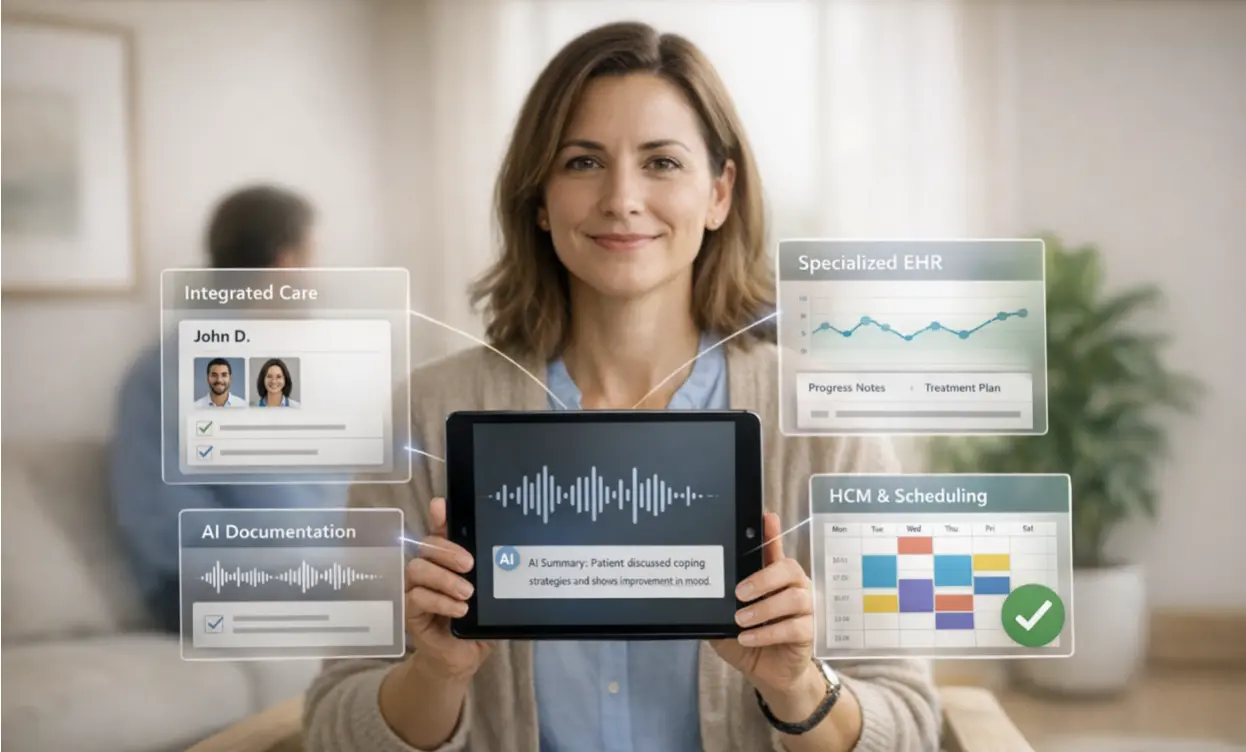
To meet these demands, organizations should use advanced EHR systems that allow for flexible documentation, secure access control, and detailed compliance reporting.
"The data collected [from MindMuse] provided surprising insights, highlighting areas for improvement that were not initially anticipated, such as poor support being a major hazard instead of high job demand." – Charlie, Team Manager & Company Director
For organizations with operations spanning multiple states, compliance becomes even trickier. Recent data highlights this challenge:
- Mental health claims have jumped by 30% over the last five years.
- Median payouts for mental health claims are 3.5 times higher than for physical injuries.
To tackle these challenges, HR departments should focus on:
- Documentation Management: Set up systems to track and store comparative analyses.
- Data Collection: Develop processes to collect information on treatment limitations.
- Provider Engagement: Ensure Third-Party Administrators (TPAs) are contractually required to supply compliance data.
For self-insured organizations, rigorous documentation is a must. Partnering with qualified service providers to perform and document comparative analyses is now critical for staying compliant.
These compliance measures work hand-in-hand with HR strategies to reinforce an organization’s ability to adapt and thrive.
4. Staff Shortage Solutions
The mental health field is grappling with a serious lack of staff. For example, Massachusetts alone has 2,454 open mental health clinician positions. To tackle this issue, organizations need a mix of technology, recruitment, and retention strategies. Here’s how these approaches can help address staffing shortages effectively.
Using Technology to Streamline Workflows
Behavioral health organizations are turning to AI tools to cut down on administrative tasks. With psychiatrists spending 16 hours a week on administrative work and dealing with an 860% rise in monthly EHR messages, technology offers a way to lighten the load. Some practical applications include:
- Automating tasks like progress notes and treatment plans with AI.
- Optimizing appointment scheduling through smart systems.
- Expanding access and improving efficiency with telehealth solutions.
Smarter Recruitment Strategies
To stand out and attract talent, mental health organizations are using platforms like LinkedIn, Indeed, direct outreach, and online job fairs. These channels help expand the pool of candidates. Here’s a quick breakdown:
| Recruitment Channel | Benefits | Tips for Success |
|---|---|---|
| Reaches 52M weekly job seekers | Keep your company profile updated and post regularly. | |
| Indeed | Attracts 63M monthly visitors | Write clear, detailed job descriptions. |
| Direct Outreach | Builds personal connections | Make direct calls and follow up quickly. |
| Online Job Fairs | Encourages real-time interaction | Engage actively with potential candidates. |
Retention Strategies That Work
Keeping staff long-term is just as important as recruiting them. Offering strong mental health benefits, for instance, can reduce turnover by 60%. Here are some ways organizations are improving retention:
- Flexible Work Options: Hybrid models and flexible schedules make it easier for employees to stay.
- Career Growth Opportunities: Tuition assistance and clear career paths help retain skilled workers. Tools like ContinuumCloud‘s HCM system can also track certifications and professional development.
- Wellness Programs: Providing mental health days, on-site wellness initiatives, Employee Assistance Programs (EAPs), and stress management resources supports staff well-being.
sbb-itb-0bf5472
5. Employee Mental Health Care
Supporting employee mental health is a major challenge for HR teams in mental health organizations. These organizations not only care for their clients but must also prioritize their staff’s well-being. With nearly 12 billion workdays lost annually due to depression and anxiety, taking action to address employee mental health is essential for both staff welfare and organizational success.
Building a Support System That Works
Creating an effective mental health support system involves multiple, coordinated efforts. Here’s what top organizations are doing:
| Support Component | Implementation Strategy | Expected Outcome |
|---|---|---|
| Mental Health Benefits | Affordable access to a variety of services | Increased use of treatment options |
| Wellness Programs | Stress management and mental health training | Lower burnout rates |
| Work Environment | Rest areas and ergonomic workspaces | Improved day-to-day comfort |
| Leadership Support | Manager training on mental health awareness | Stronger team support systems |
Tackling Growing Mental Health Issues
Recent studies reveal that 86% of employees deal with mental health challenges, but only 33% receive the care they need. To address this, many organizations are upgrading their Employee Assistance Programs (EAPs). Employees who don’t use well-being programs often face $1,400 more in annual medical costs compared to those who do.
Steps to Put Plans Into Action
How can organizations turn these insights into reality? Here are some practical steps:
- Mental Health First Aid (MHFA) Training: This training has shown long-lasting benefits, improving mental health literacy and support skills for up to six months.
- Regular Check-ins: Encourage managers to have structured conversations with team members about stress and workload.
- Flexible Work Options: Offer remote work or flexible hours to help employees balance personal and professional responsibilities.
- Safe Spaces: Create quiet rooms or meditation areas where staff can recharge during tough shifts.
"A healthy workplace fosters employee health and well-being and enhances organizational performance." – The American Psychological Association
Tracking Success
Organizations that invest in employee mental health programs often see big benefits. For example, companies with strong wellness programs report up to a 26% increase in productivity.
Key metrics to monitor include employee engagement, absenteeism, EAP usage, staff retention, and the number of mental health days taken. In 2023, 60% of employees said their mental health impacted their work, a noticeable jump from 48% in 2021. These numbers don’t just reflect employee well-being – they also highlight how effective HR strategies are in creating a supportive work environment.
6. HR Software Implementation
Modern HR software provides targeted solutions to address burnout and staff shortages, simplifying operations and improving outcomes. With 70% of businesses still relying on manual HR processes, upgrading to HR software can lead to better efficiency and support for employees.
Key Features for Mental Health Organizations
When selecting HR software, mental health organizations should prioritize the following:
| Feature Category | Purpose | Impact |
|---|---|---|
| Mental Health Integration | Real-time check-ins and wellness tracking | 33% boost in job performance |
| Compliance Management | HIPAA compliance and certification tracking | Reduced risk of violations |
| Employee Self-Service | Easy access to resources and documentation | Higher staff satisfaction |
| Analytics Dashboard | Tracks performance and wellness metrics | 20% rise in productivity |
| Workforce Resilience | Supports retention and engagement efforts | Helps lower turnover rates |
What Drives Successful Implementation?
ContinuumCloud’s Human Capital Management (HCM) system offers a great example of how tailored solutions meet the unique demands of mental health organizations. To ensure success, focus on these steps:
- Strategic Planning
Evaluate your organization’s HR needs before introducing new software. This aligns with earlier efforts to tackle turnover and burnout. - Employee Engagement
Involving staff in the software selection process encourages adoption and buy-in. - System Integration
Ensure the software integrates smoothly with existing tools like EHR and telehealth platforms.
How to Measure Success
Track the impact of your HR software using these metrics:
- ROI Assessment: Expect a $4 return for every $1 spent on mental health-focused HR systems.
- Usage Rates: Monitor how often employees use self-service tools.
- Time Savings: Look for a noticeable decrease in manual administrative tasks.
- Compliance Scores: Check for improvements in meeting regulatory standards.
"Integrating mental health support into HR software represents a transformative step toward fostering employee wellbeing in modern workplaces." – Vorecol Editorial Team
AI-Powered Features to Watch
AI-driven tools are adding even more value to HR systems. Features like predictive analytics for employee performance, automated recruitment processes, and chatbots for support streamline operations and enhance satisfaction. These tools adapt over time through ongoing feedback, ensuring they meet evolving organizational needs.
7. Staff Skills Development
Building on the topics of burnout prevention and HR software, improving staff skills is essential for strengthening the behavioral health workforce. Many mental health organizations struggle with this. For instance, 70% of senior-level employees lack training on how to address mental health within their teams, which impacts workplace culture and service quality.
Core Training Areas
| Training Area | Impact | Success Metric |
|---|---|---|
| Mental Health First Aid | Helps identify mental health symptoms effectively | 96% of participants reported practical application |
| Emotional Intelligence | Creates a more supportive work environment | Seen as crucial by 83% of employees |
Practical Strategies for Development
The NYC Mayor’s Office of Community Mental Health has shown that focused skill-building efforts can improve service quality.
"Investing in workforce training strengthens service delivery and builds resilience"
Here are some actionable steps to consider:
- Structured Onboarding: Introduce mental health training during onboarding so new employees are prepared from day one.
- Ongoing Learning Opportunities: Use phased programs like My New Behavior’s initiative to encourage continuous, self-guided development.
- Leadership Training: Provide managers with tools to support their teams’ mental health. Studies show this can help address issues proactively.
Tracking Progress and Results
Measure the impact of training through metrics like performance, employee engagement, retention rates, and wellness indicators. For example, reducing burnout – which currently affects 52% of employees – is a key goal.
Investing in skill development not only enhances team resilience but also boosts organizational performance. Mental health issues cost the global economy $1 trillion annually in lost productivity, according to the World Health Organization. By focusing on skill-building, organizations can improve service delivery, retain talent, and create a healthier work environment.
8. Building Positive Workplaces
Creating a mentally supportive workplace is especially important for mental health organizations. A recent study reveals that 84% of U.S. workers believe their workplace has contributed to their mental health challenges. Below are practical strategies to help reshape workplace culture.
Core Elements of a Healthy Workplace
A thriving workplace culture is built on these key elements:
| Element | Impact | Implementation Strategy |
|---|---|---|
| Safety | 67% find a safe, supportive culture helpful | Clear policies and confidential reporting |
| Autonomy | 81% value flexible work schedules | Flexible arrangements and decision-making power |
| Belonging | 78% prioritize a healthy, inclusive culture | Team-building and inclusion initiatives |
Leadership’s Role in Cultural Change
Leadership plays a huge role in reshaping workplace culture. Companies that prioritize employee well-being see performance improvements ranging from 11% to 55%. These strategies align with earlier discussions on HR tech and staff support, creating a comprehensive approach to employee care.
- Open Communication Channels Lisa Patel, EMEA Head of Talent and UK Head of Health at Aon, emphasizes:
"Companies need to take wellbeing seriously, across all of its dimensions. For too long, the focus has been on reactive support rather than prevention. By shifting to a wellbeing mindset, we improve employee resilience while improving health outcomes."
- Comprehensive Support Systems With 66% of workers feeling unable to prioritize self-care, companies are stepping up with tools like meditation platforms, flexible mental health benefits, regular check-ins, and anonymous feedback systems.
Measuring Workplace Culture Success
To gauge the effectiveness of these initiatives, track key metrics such as:
- Engagement levels
- Absenteeism rates
- Staff retention
- Participation in wellness programs
- Anonymous feedback results
"The future of mental health at work will be a recommitment to core human needs. It will be safety, community, and a healthy organizational culture. It will be sustainable work rooted in equity and workers’ voices."
Conflict Management Strategies
Workplace conflict affects 85% of employees, making conflict resolution a priority. Organizations can address this with mediation services, clear grievance processes, and open communication. These efforts not only improve teamwork but also lead to higher patient satisfaction and lower staff turnover. Additionally, 89% of employees view their employer as empathetic when solid support programs are in place.
HR Software Options
The mental health software market, valued at $2.44 billion in 2021 and expected to grow to $7.61 billion by 2030, provides tailored solutions for behavioral health organizations. Below, we explore some of the best HR platforms designed for this sector.
Industry-Specific Solutions
| Platform | Key Features | Best For |
|---|---|---|
| Plumm | Therapy, coaching, AI support, MS Teams/Slack integration | Mental health support |
| Mentiness | People analytics, psychological wellbeing tracking | Data-driven HR decisions |
| Moodwork | Self-assessment tools, learning resources | Employee wellness |
| ContinuumCloud | Position control, unified workforce management, integrated HR/payroll/talent solutions | Behavioral health operations |
Success Stories in Action
Specialized HR software has proven its value in real-world settings. Mathieu George, Head of QWL, shares his experience:
"Moodwork has found its place within our QWL policies: it’s a solution that allows us to combine both the employer who seeks to act on work conditions and limit risks, with employees so that they can be in control of their own QWL with the help of scientifically validated tools."
Understanding Costs
The cost of HR software varies depending on the features offered:
| Plan Level | Monthly Cost | Key Features |
|---|---|---|
| Basic | $25-$50 | Employee self-service, time tracking |
| Business | $50-$150 | Compliance tools, scheduling, support |
| Enterprise | $150-$300+ | Advanced analytics, custom integrations |
Features to Look For in Mental Health Organizations
When choosing HR software, focus on tools that address the unique needs of mental health organizations. Key features include:
- HIPAA Compliance: Protect sensitive data with secure systems.
- Credential Management: Monitor staff certifications and ongoing education.
- Scheduling Tools: Simplify shift planning and resource allocation.
- Wellness Support: Offer tools and resources to promote mental health.
Additionally, integrating the software with your existing systems can improve overall efficiency.
"Thanks to Mentiness analytics, we have noticed that people are psychologically more stable. We have also reduced the number of absences related to psychological conditions."
Integration Capabilities
Modern HR platforms need to work smoothly with existing behavioral health systems. For example, Mentiness integrates seamlessly with current HR software, while Plumm connects directly with communication tools like MS Teams and Slack, ensuring streamlined operations and better data management.
Conclusion
Mental health challenges in the workplace require thoughtful, data-backed solutions. Stress at work costs U.S. employers a staggering $300 billion each year in lost productivity.
Addressing these issues pays off. Companies that invest in mental health see clear benefits: healthcare costs drop by 57%, turnover decreases by 27%, productivity jumps by 63%, and employee satisfaction improves by 20%. These numbers highlight the importance of prioritizing mental health initiatives.
For example, Maven Clinic reports that 33% of its members have seen improvements in managing depression and anxiety, with employers achieving a 4:1 return on investment. Tools like ContinuumCloud’s HCM system show how HR technology can ease administrative tasks while strengthening workforce resilience.
With 81% of employees actively seeking workplaces that prioritize mental health support, organizations that embrace these strategies will not only improve engagement and retention but also gain a competitive advantage.