Behavioral health providers are overwhelmed by documentation demands, spending up to 35% of their day on paperwork instead of patient care. This administrative burden contributes to 78% burnout rates and 40% staff vacancy rates in the field. AI-powered tools are changing the game, reducing documentation time by as much as 70% and cutting note delays from five days to just 1.5 days.
Key takeaways:
- Average note-taking time dropped from 10–12 minutes to under 3 minutes per session.
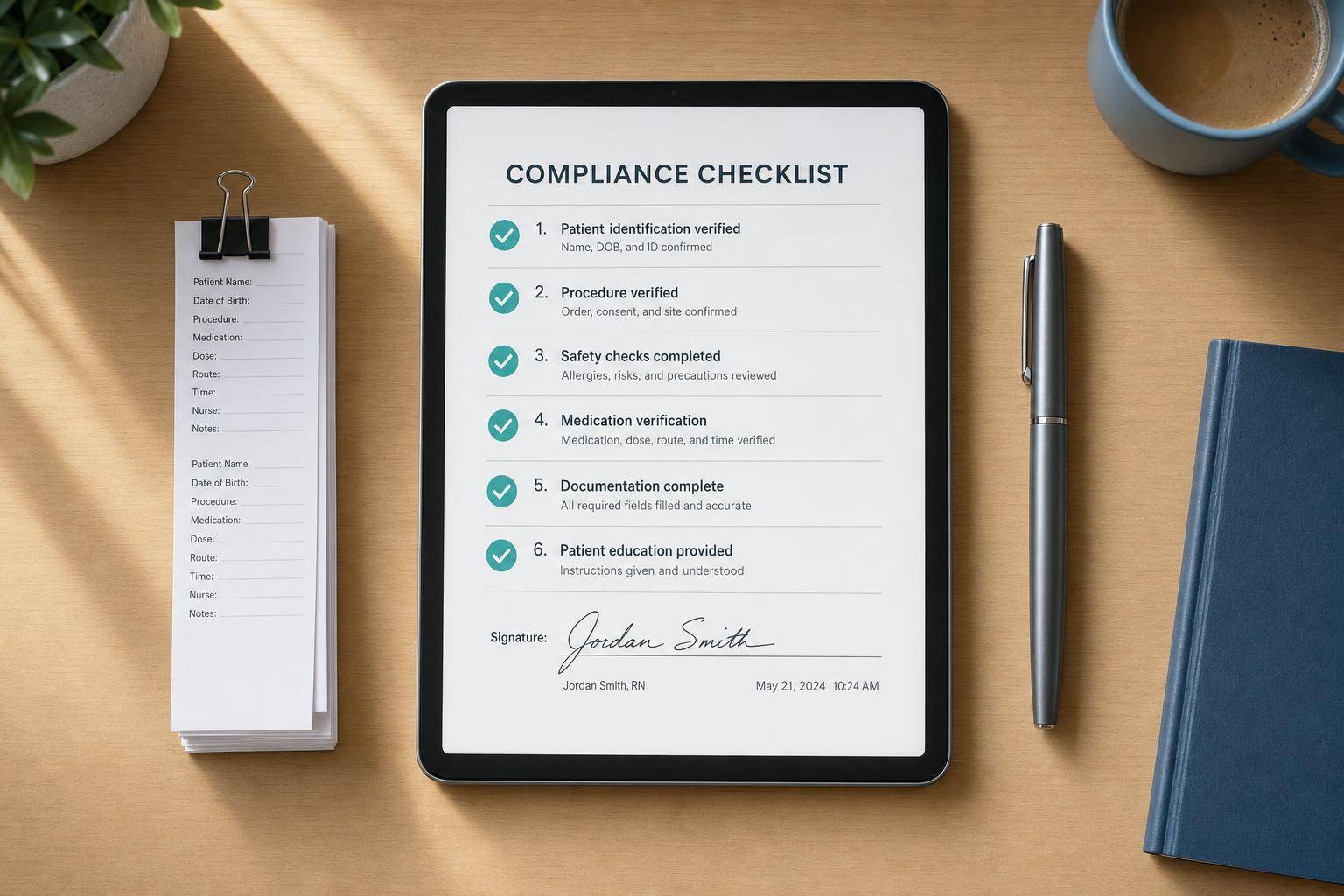
- Compliance risks are minimized with real-time audits covering 100% of documentation.
- AI tools like Natural Language Processing (NLP) generate 80% of progress notes within minutes, freeing up clinicians to focus on patients.
- Organizations implementing AI report increased efficiency, faster reimbursements, and reduced burnout.
The shift to AI documentation is not just improving workflows but also enhancing patient care by allowing clinicians to prioritize interaction over paperwork.

AI Documentation Impact on Behavioral Health: 70% Time Reduction and Key Statistics
Less admin.
Stronger teams.
Better client outcomes.
See how behavioral health organizations streamline documentation, staffing, and client engagement with ContinuumCloud.
Which solution would you like to explore?
Documentation Challenges in Behavioral Health
The Administrative Burden of Documentation
Behavioral health clinicians face a staggering load of paperwork, dedicating 34–55% of their time to clinical documentation. This administrative demand comes with a hefty price tag, costing the U.S. healthcare system an estimated $90–$140 billion annually.
On average, providers spend 10–12 minutes writing a single clinical note. Multiply that by the dozens of sessions they handle each day, and it’s easy to see how this eats into time that could be spent building stronger connections with patients.
“In today’s Behavioral health landscape, administrative demands can diminish both provider efficiency and client care. Our providers all document very differently. The number one complaint was that typing notes took too much time.” – Tabatha Golding, Senior Vice President of Operations, Beacon Outpatient Management
Compliance adds another layer of stress. Organizations must juggle standards from the Joint Commission on Accreditation of Healthcare Organizations (JCAHO), payer requirements, state and federal regulations, and internal quality benchmarks. Documentation must demonstrate medical necessity, align with Diagnosis Related Group (DRG) coding, and maintain what’s known as the “Golden Thread” – ensuring the diagnosis, treatment plan, and session notes are consistently aligned to meet regulatory standards.
Yet, manual audits only review 5–10% of clinical notes, leaving most documentation unchecked. This creates a higher risk of compliance gaps going unnoticed. The result? Clinicians spend more time navigating these complexities, pulling their focus away from patients.
What Happens When Documentation Is Inefficient
Inefficient documentation doesn’t just frustrate clinicians – it disrupts the entire Behavioral health system. Staff vacancy rates in the field can exceed 40%, and the administrative burden is a leading cause of burnout. In fact, many clinicians now consider access to technology that reduces documentation time a must-have when evaluating potential employers. Organizations unable to provide such tools struggle to attract and retain talent in today’s competitive market.
The consequences for patient care are equally troubling. When clinicians are bogged down by note-taking during sessions, they often miss critical non-verbal cues like body language or eye contact.
“With clinicians stressed and overburdened, patients simply aren’t going to receive the best care possible.” – Dror Zaide, Co-founder and COO, Eleos Health
Delays in documentation further compound the problem. Some organizations reported a five-day lag between a session and note submission before implementing AI solutions. These delays create compliance risks and make it harder to secure timely reimbursements. Late or inaccurate notes can lead to claim denials, jeopardizing an organization’s financial stability. These challenges highlight the growing need for AI to streamline Behavioral health documentation and reduce these inefficiencies.
Answering All Your Questions About AI Use in Behavioral Healthcare Documentation
How ContinuumCloud‘s Welligent EHR Uses AI to Reduce Documentation Time
ContinuumCloud has integrated AI into its Welligent EHR system, aiming to significantly cut down the time clinicians spend on documentation. In September 2025, the company teamed up with Clinically AI to incorporate Clinical Notes AI and Comply into their system. These tools automate some of the most tedious aspects of clinical documentation, all while ensuring compliance with the strict standards required by Behavioral health organizations.
Using chart-aware technology, Welligent EHR taps into client history to create documentation that maintains the “Golden Thread” of care. This approach supports both individual and group session notes seamlessly.
“Together we’re giving clinicians their time back while ensuring defensible, compliant documentation.” – Bob Bates, CEO, ContinuumCloud
Here’s a closer look at how AI is reshaping documentation workflows.
AI Features in Welligent EHR
Welligent EHR comes equipped with several AI-powered features that streamline the documentation process:
- Clinical Notes AI: This tool listens to session conversations and drafts clinical notes for clinicians to review, saving valuable time.
- Comply: Performing real-time audits on 100% of documentation, this feature surpasses traditional manual audits. It flags potential compliance issues early, reducing the risk of denied authorizations and costly audit-related paybacks.
- CareOps Automation: Powered by Eleos Health, this feature delivers real-time clinical insights during or after sessions. By automating administrative tasks, it lightens the mental load on clinicians.
The system is designed to integrate seamlessly into workflows, writing directly into Welligent’s web-based platform without disrupting routines. It is also HIPAA-compliant and SOC 2 certified, with Zero Data Retention (ZDR) options to safeguard patient privacy.
How Time Savings Improve Staff Work and Patient Care
The impact of these tools is evident in real-world results. For example, Coleman Health Services reported a 70% reduction in documentation time after incorporating Eleos Health’s AI platform into their Welligent EHR workflow in 2023. By May 2024, they had also improved the timeliness of note submissions by 3.5 days – cutting the average time from five days to just 1.5 days – and achieved a 92% user satisfaction rating among their clinical staff.
Similarly, Community Services Group (CSG), a Pennsylvania-based organization led by CEO Susan Blue, adopted these AI features in November 2023. Clinical staff found the integration both straightforward and effective, easing the burden of manual documentation.
“Our clinical staff have found the integration of Eleos into Welligent simple and efficient.” – Susan Blue, CEO, Community Services Group
These time savings do more than just streamline workflows – they also help reduce clinician burnout. By freeing up time, providers can focus more on patient care, ensuring they don’t miss critical non-verbal cues. Additionally, faster and more accurate documentation minimizes claim denials and speeds up reimbursements. Organizations using these tools have reported a 40% drop in payer reviews for level of care placement, leading to more consistent revenue and reduced administrative strain.
AI Technologies That Make Documentation Faster
Behavioral health organizations have found a way to save up to 70% of documentation time by leveraging two powerful AI tools: natural language processing (NLP) and automated data entry. These technologies are reshaping how documentation is managed, cutting down on administrative tasks and giving clinicians more time to focus on their patients. They play a key role in streamlining workflows, as discussed earlier.
Natural Language Processing (NLP)
In ContinuumCloud’s Welligent EHR software, NLP transforms raw audio from sessions and brief notes into structured, clinically relevant documentation. It ensures the documentation aligns with payer and regulatory standards while considering each client’s treatment history and goals. This means progress notes are generated within the context of a client’s unique care journey.
For providers who can’t record live sessions – like field workers or case managers – NLP takes short bullet points and expands them into detailed progress notes. It’s also multilingual, processing conversations in over 150 languages, including mixed-language formats, and translating them into clinically accurate English documentation. Amazingly, AI platforms can automatically generate up to 80% of progress note content within minutes of a session.
At The Permanente Medical Group, AI scribes powered by NLP saved doctors an estimated 15,791 hours of documentation time in one year. That’s equivalent to 1,794 eight-hour workdays.
“Both doctors and patients highly value face-to-face contact during a visit, and the AI scribe supports that.”
By combining these NLP capabilities with other automated systems, documentation workflows become even more efficient.
Automated Data Entry and System Integration
Automated data entry tools take care of repetitive tasks by capturing session details – like date, time, and participant lists – and automatically filling in customized templates for various types of encounters, from intakes to group sessions.
These AI tools integrate seamlessly with existing EHR systems, so clinicians don’t have to switch between platforms. For example, they work with telehealth platforms like Zoom, capturing session data in real time and syncing it directly to patient records. For mobile workers, offline functionality ensures they can enter data without an internet connection, with notes syncing to the EHR once connectivity is restored.
One Behavioral health system in Tennessee saw impressive results: the median time to complete group session notes dropped by 73.8%, from 12 minutes to under 8 minutes. These AI-powered tools are paving the way for even greater operational and clinical efficiencies.
Measured Results: 70% Time Savings with ContinuumCloud
Behavioral health organizations are seeing real, measurable benefits from ContinuumCloud’s AI-powered solutions. These aren’t just hypothetical outcomes – they’re based on actual results from organizations that have implemented the technology and tracked its impact.
Case Study: Transforming Workflows with AI
In May 2024, Coleman Health Services adopted ContinuumCloud’s AI platform and cut provider documentation time by an impressive 70%. The rollout began with a small group of users in 2023, giving clinicians a chance to experience the platform’s advantages before it was expanded organization-wide. This rapid adoption was fueled by clinicians sharing their positive experiences, highlighting reduced workloads.
The results were immediate. Documentation turnaround times dropped from five days to just 1.5 days, significantly improving compliance and workflow. Clinicians gave the platform a 92% user experience rating, reflecting its impact.
At GRAND Mental Health, a Certified Community Behavioral Health Clinic in Oklahoma, over 400 hours of staff time were saved within the first six months of implementation, which began in January 2024. The AI system automatically completed more than 80% of each progress note, cutting documentation time by over 50%.
Similarly, Gaudenzia, Inc. saw documentation time reduced by 50%, with average note submission times at 4.4 hours. They also reported a 35% increase in the use of evidence-based techniques during patient sessions, showing how faster documentation can directly enhance clinical care.
These results don’t just simplify workflows – they also contribute to broader operational and clinical improvements.
Beyond Time Savings: Operational and Patient Care Benefits
The advantages of using ContinuumCloud’s AI solutions go well beyond saving time. Organizations have reported notable improvements in both operations and patient care. Providers using the technology have seen double the alumni engagement and 3-4 times greater symptom improvement among their patients.
A study conducted at Yale New Haven Health between February and October 2024, involving 272 clinicians, revealed a drop in burnout rates from 52% to 39% within just 30 days of using ambient AI scribes. Additionally, documentation time outside of working hours was reduced by nearly an hour per week.
“It’s been transformative… The fact that you can have an encounter with a patient and focus on that patient with all the cognitive skills that are required of us… it’s liberating.”
- Dr. Leopoldo Pozuelo, Center Director of Adult Behavioral Health, Cleveland Clinic
These advancements translate into an 8x return on investment, thanks to improved documentation accuracy, faster claims submissions, and better compliance. Clinician burnout has also decreased significantly, with providers incorporating 80% of AI-generated suggestions into their final progress notes, underscoring the technology’s accuracy and relevance.
The benefits extend to staff retention as well. Access to AI documentation tools has become a critical factor for clinicians when choosing employers. As Dr. Pozuelo puts it, such tools are now “non-negotiable”, addressing one of the leading causes of burnout in the field.
How to Implement AI Documentation Solutions with ContinuumCloud
Adopting AI-driven documentation tools isn’t just about plugging in new software – it’s about thoughtful planning and guiding your team through the change. Organizations that take the time to assess their needs and support staff during the transition often see the best outcomes.
Evaluating Your Organization’s Needs
Start by gathering key stakeholders like clinical leaders, IT professionals, compliance officers, and front-line providers to identify priorities and align on what your organization truly needs. This collaboration ensures that every perspective is considered.
Take a close look at your workflows – everything from intake and scheduling to billing. This helps pinpoint specific tasks where AI can make a difference. For specialized programs like SUD, I/DD, or foster care, tailor your evaluation to meet their unique documentation requirements.
Don’t overlook compliance. Review potential risks, such as denied authorizations or payback scenarios, to ensure audit readiness as you roll out the system. Additionally, assess your technical infrastructure to ensure you have the resources and support for this cloud-based Behavioral health software transformation.
Once you’ve mapped out your needs, the next step is preparing your team to embrace the change.
Training Staff and Managing Change
With your organizational needs defined, start small by launching a pilot program. This allows you to integrate AI into existing workflows gradually. Early adopters who experience the benefits firsthand can help build excitement and reduce resistance.
Identify tech-savvy staff members to serve as pilot champions. Their success stories will naturally create interest among others, making the transition feel less like a mandate and more like an opportunity.
Leverage resources like training modules, knowledge articles, and dedicated support to help your team get up to speed quickly. The system is designed to align with clinicians’ existing workflows, which keeps the learning curve manageable.
Train your staff on how AI tools maintain the “Golden Thread” by seamlessly connecting documentation to treatment plans and assessments. This not only ensures compliance but also helps clinicians see the value beyond just saving time. Real-time auditing features provide instant feedback, acting as a continuous learning tool.
What’s Next for AI in Behavioral Health Documentation
New AI Trends in Behavioral Health
AI in Behavioral health is taking a leap forward, moving beyond simple transcription to offering more dynamic and contextualized tools. For instance, chart-aware systems now seamlessly integrate new session data with a client’s entire clinical history, creating a more comprehensive view of care.
Another exciting development is autonomous AI that performs real-time compliance checks. These systems can flag documentation gaps instantly, helping providers address potential audit issues before they escalate. In group therapy settings, specialized AI tools are now capable of analyzing discussions and generating detailed notes – both for the group as a whole and for individual speakers.
Treatment plans are also evolving. “Living” treatment plans, powered by AI, update automatically as symptoms change. These plans continuously align SMART goals and interventions with ongoing care. They even score assessments like the PHQ-9 or GAD-7, identifying symptom trends and providing real-time documentation prompts based on severity.
“As insurance providers increasingly utilize AI to review claims, the time has now come when providers confront AI with AI.” – Netsmart
This concept of “AI vs. AI” highlights a growing reality: as insurance companies deploy AI to audit claims, providers must adopt equally advanced tools to ensure their documentation is audit-ready before submission. AI-driven supervision tools are also emerging, offering insights into clinical performance and documentation quality. These tools not only help supervising staff but also support associates in maintaining high standards. Together, these advancements pave the way for further innovations, aligning with ContinuumCloud’s ongoing efforts to push AI technology forward.
ContinuumCloud’s Focus on Advancing AI Technology
ContinuumCloud is positioning itself at the forefront of these changes, evolving its platform to address the future needs of Behavioral health professionals. Their solutions are designed to integrate seamlessly into existing workflows, enhancing efficiency and improving outcomes.
The platform’s approach eliminates information silos, promoting a patient-centric model where integrated EHR components enable data-informed decision-making. This not only saves time but also ensures that documentation aligns with care delivery. With its highly configurable system, ContinuumCloud allows organizations to adopt new AI capabilities without requiring a complete overhaul of their infrastructure.
Built on a secure, cloud-based framework, ContinuumCloud’s platform is backed by ONC-HIT and Meaningful Use Stage 3 certifications. This foundation ensures the platform is ready to integrate advanced AI features while maintaining the highest standards of security and compliance. As AI continues to reshape Behavioral health documentation, ContinuumCloud remains committed to delivering tools that meet the evolving demands of the industry.
Conclusion
AI is reshaping the way Behavioral health organizations handle documentation. By using AI-powered tools, providers can cut documentation time by an impressive 70–90%, reduce the time spent on notes from 10–12 minutes to under 3 minutes, and save up to 90 minutes of administrative work every day. These changes are streamlining workflows across the industry.
But the benefits go beyond efficiency. AI tools are also helping to address clinician burnout, giving providers the freedom to focus on what truly matters: patient care. As Dr. Leopoldo Pozuelo from Cleveland Clinic put it:
“The fact that you can have an encounter with a patient and focus on that patient with all the cognitive skills that are required of us… it’s joyful.”
ContinuumCloud’s collaboration with Clinically AI highlights how EHR-embedded solutions, such as those integrated into the Welligent EHR, are driving this change. With features like Clinical Notes AI and Comply built directly into the platform, these tools ensure Protected Health Information stays secure while providing efficient documentation and real-time auditing. This seamless integration delivers both efficiency and compliance. Bob Bates, CEO of ContinuumCloud, shared:
“Together we’re giving clinicians their time back while ensuring defensible, compliant documentation.”
For organizations still relying on manual documentation, the question isn’t if they should adopt AI, but how quickly they can make the transition. With clinician adoption rates reaching as high as 88% in some cases and AI tools becoming a key factor in hiring decisions, the move from being a new innovation to an industry standard is happening rapidly. ContinuumCloud’s Welligent EHR provides a tested and reliable way to join the growing number of organizations already benefiting from these advancements.
Reduce your documentation workload and focus on what matters most: patient care. Learn how ContinuumCloud’s AI-powered tools can transform your organization.
FAQ
How can AI help Behavioral health providers save time on documentation?
AI is transforming how Behavioral health providers handle documentation, significantly cutting down the time spent on tasks like note-taking and data entry. With the help of natural language processing and other advanced tools, clinicians can reduce documentation time by as much as 70%. That means more time and energy can go toward patient care rather than paperwork.
By simplifying administrative workflows, AI doesn’t just boost efficiency – it also helps alleviate provider burnout. With less time spent on repetitive tasks, clinicians can channel their efforts into delivering better care, creating positive results for both patients and healthcare teams.
How does AI improve compliance in clinical documentation for Behavioral health organizations?
AI plays a crucial role in improving compliance within clinical documentation by automating essential tasks such as risk assessments, regulatory monitoring, and quality checks. This automation not only minimizes the chance of errors but also ensures that organizations meet complex regulations like HIPAA. At the same time, it helps maintain the accurate and timely documentation necessary for securing payer approvals.
On top of that, AI strengthens data security by identifying unusual activities and automating encryption processes, offering robust protection for sensitive patient information. By simplifying workflows and addressing compliance requirements proactively, AI enables Behavioral health organizations to keep pace with changing legal and operational standards.
How does AI help reduce clinician burnout and improve patient care in Behavioral health?
AI is transforming healthcare by tackling one of the biggest challenges clinicians face: administrative overload. By automating tedious tasks like documentation and data entry, AI-powered tools – such as virtual scribes – can reduce documentation time by as much as 70%. This means doctors and nurses can spend more time where it matters most: with their patients.
The impact goes beyond just saving time. Lightening the administrative load helps reduce stress and burnout among clinicians, which has been a growing concern in the industry. With less paperwork to handle, providers can focus on delivering meaningful, patient-centered care. This not only improves communication but also leads to more effective treatments and better outcomes for patients.